
Last updated November 2, 2026
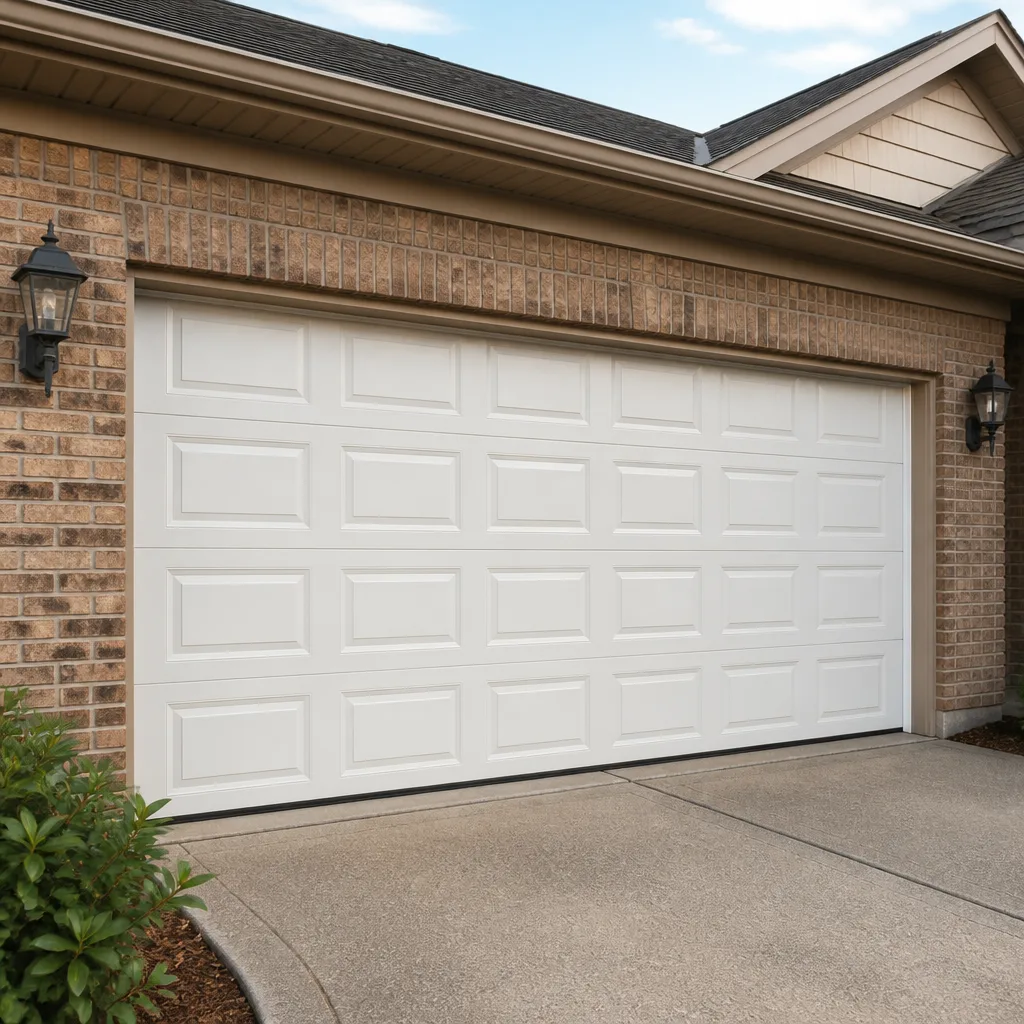 Raised-panel steel
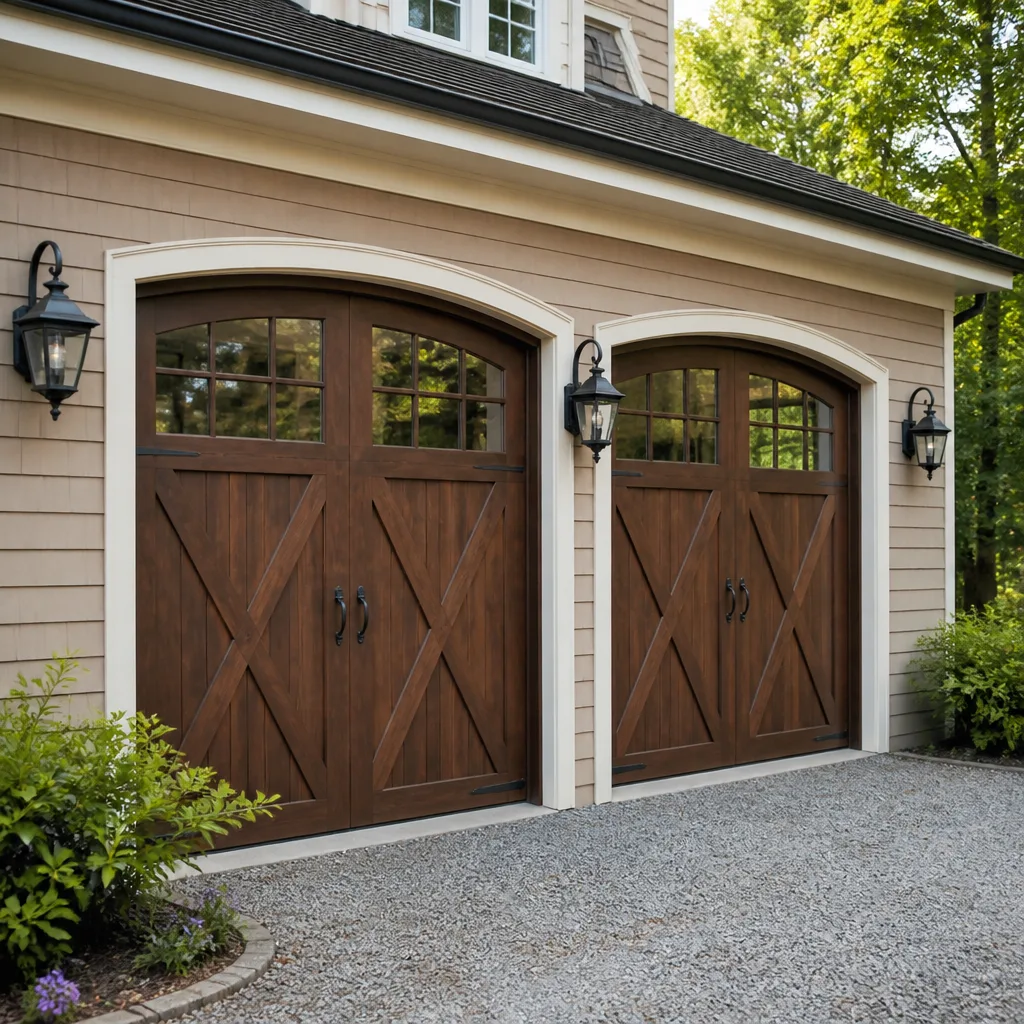 Carriage house
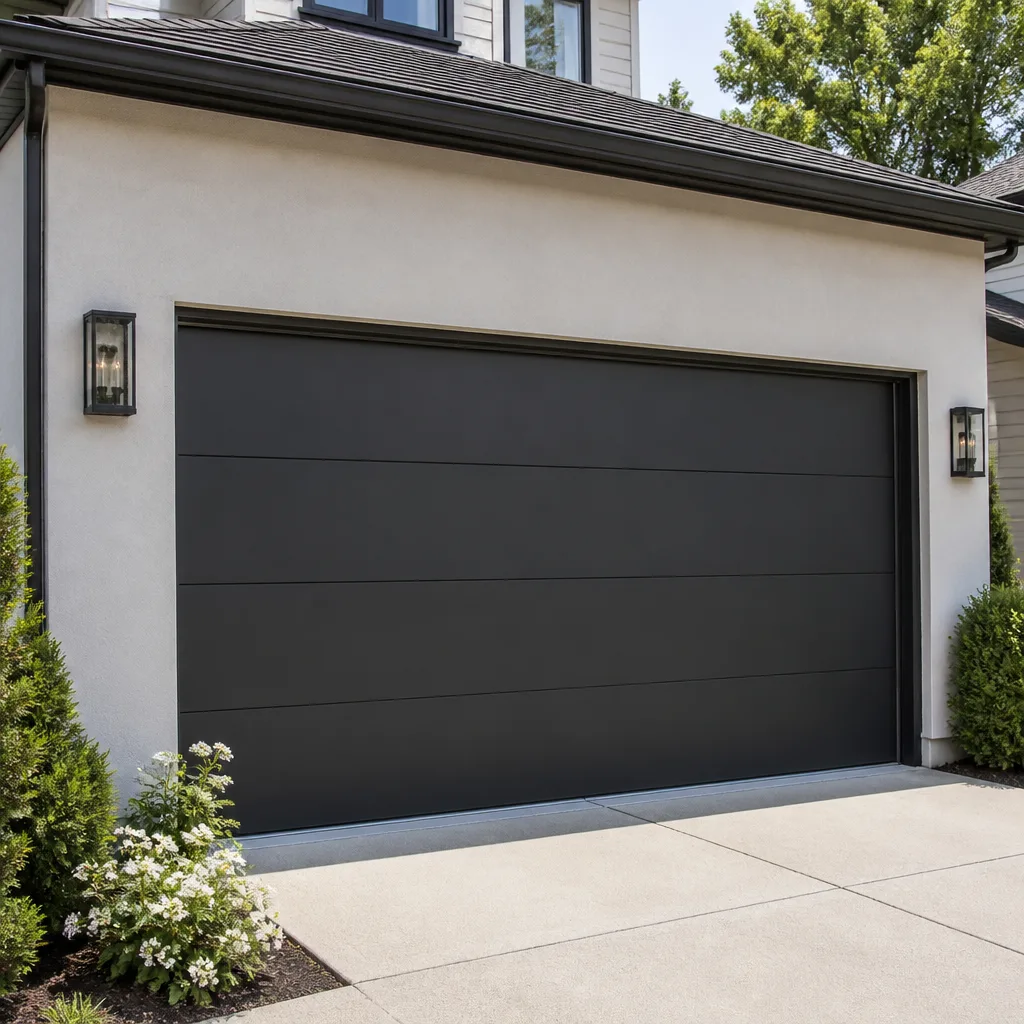 Modern flush
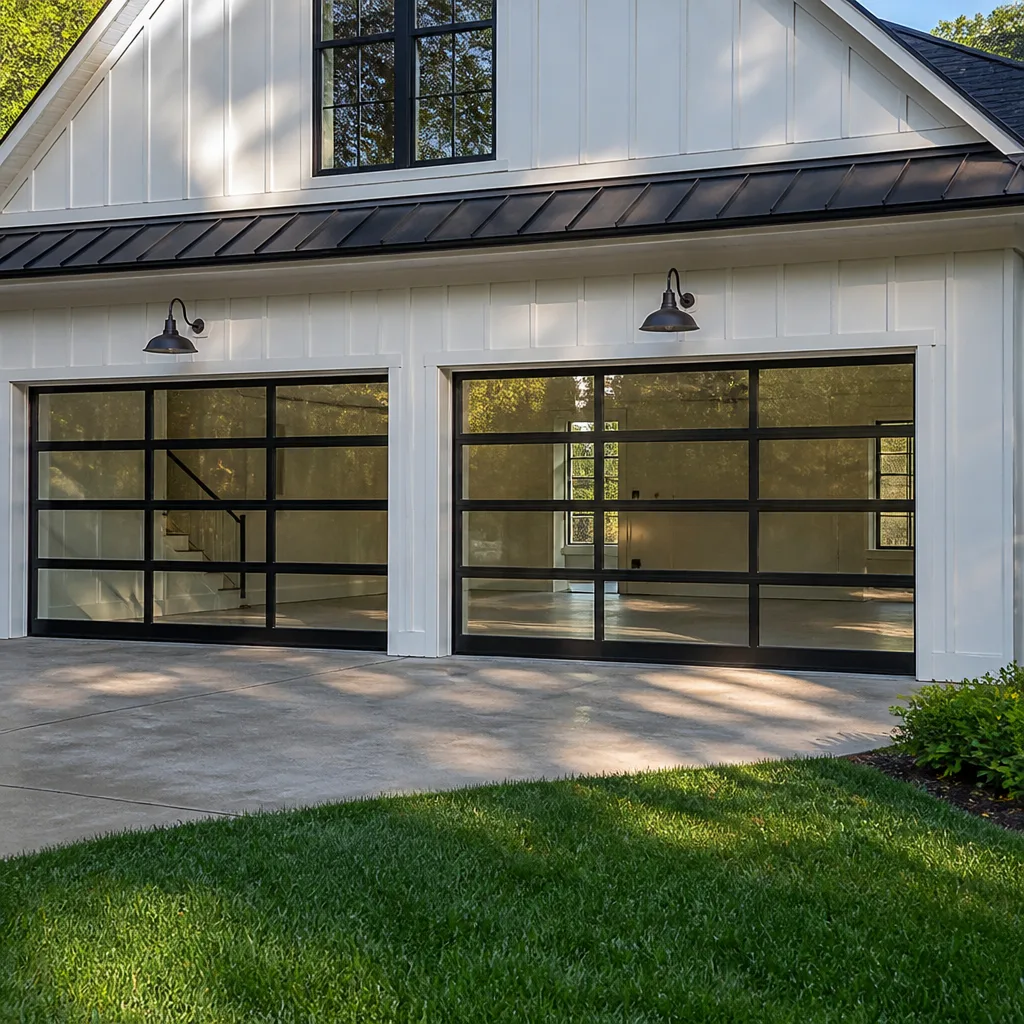 Full-view glass
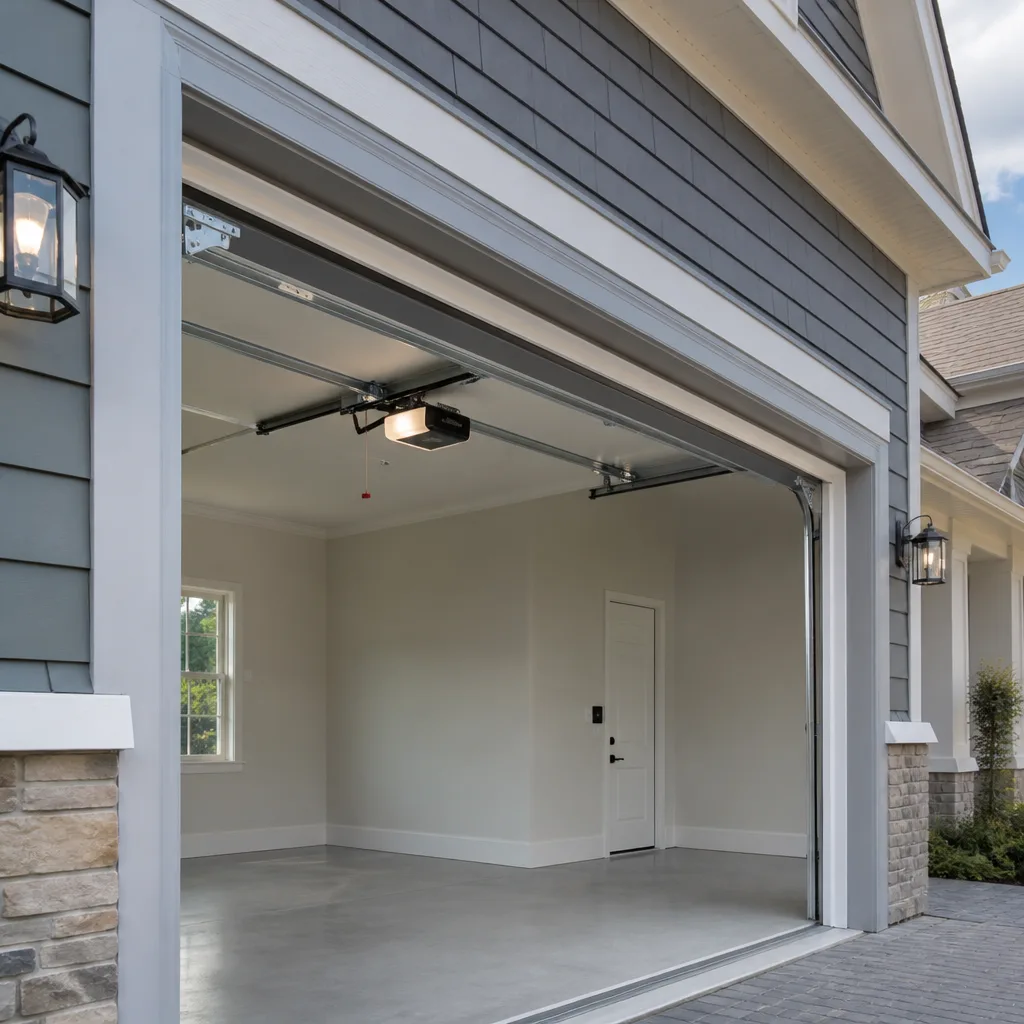 LiftMaster openers
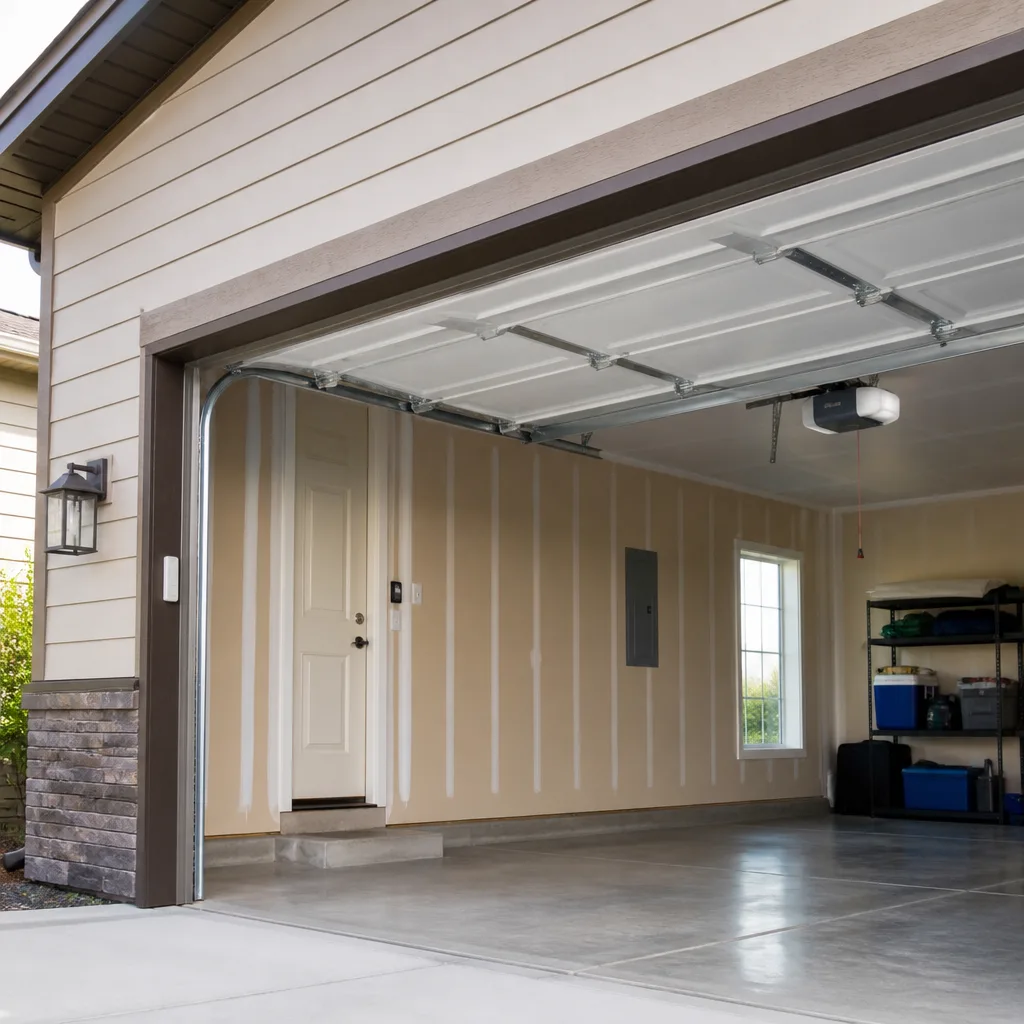 Chamberlain openers
Full 25-point door and opener safety check with every visit - springs, cables, rollers, tracks, and your LiftMaster or Chamberlain opener included
You get a price before we start. It does not change when the truck arrives.
Get your free estimateGarage Door Permits, Codes & Inspections in CA: What You Need to Know
Most Burbank homeowners don’t learn about garage door permit requirements until the day their Realtor asks for the paperwork. By then, it’s too late to avoid the conversation entirely. California treats garage door work as a sliding scale: a simple spring swap needs nothing, but touch the framing, the fire rating, or the wall itself, and you’ve entered permit territory without realizing it. This guide walks you through the exact trigger points, what inspectors actually check, and how Burbank’s local rules layer on top of state code, so you never inherit someone else’s unpermitted mess.
Styles & brands we work with
- Raised-panel steel
- Carriage house
- Modern flush
- Full-view glass
- LiftMaster openers
- Chamberlain openers
Quick Answer
Most garage door repairs and in-kind replacements in California do not require a building permit because they’re classified as maintenance. You need a permit when the work changes the rough opening, alters structural headers, modifies fire-rated assemblies, or requires new electrical circuits for openers. In Burbank, residential garage door replacements that match the existing opening and don’t change wall penetrations typically fall under exempt work, but check Section 1406 of the California Building Code and Burbank’s local amendments before cutting anything.
Table of Contents
- What California Building Code Section 1406 Actually Says
- What Converts a Simple Replacement Into a Permitted Job
- How Burbank’s Local Ordinances Differ from LA County
- UL 325 Compliance and Opener Installation Code Requirements
- How to Check Your Property’s Permit History in Burbank
- How Much Garage Door Permits Cost in Burbank and California
- What Inspectors Actually Check During a Garage Door Inspection
- What Happens When You Sell a House with Unpermitted Garage Work
- Common Mistakes to Avoid
- When to Call a Professional
- Frequently Asked Questions
- The Bottom Line
What California Building Code Section 1406 Actually Says
Section 1406 governs exterior wall coverings, but garage door installations trigger it through Chapter 3 of the California Residential Code and Chapter 30 of the California Building Code, which regulate door assemblies, fire ratings, and structural openings. The practical application is this: California treats a garage door as part of the building envelope. When you remove one and install another in the same rough opening with zero changes to framing, flashing, or fire separation, the state code views it as a like-for-like replacement. No permit. But the moment the new door requires resizing the opening, adding a header, relocating a jamb, or cutting through a fire-rated wall assembly, CRC Section R105.1 kicks in and a building permit becomes mandatory.
What most guides won’t tell you is that California also layers in energy code. Title 24, Part 6 of the California Code of Regulations requires minimum insulation values for garage doors separating conditioned space from unconditioned space. If your attached garage is under finished living area, the door assembly may need to meet specific U-factor requirements. That’s rarely discussed in permit checklists, but it’s exactly the kind of detail inspectors in Burbank have started flagging on final walk-throughs. The trigger is real: a door that never needed a permit for installation can still fail inspection for energy compliance if the wall assembly changed.
We’ve also seen confusion over garage door openers, so let’s be clear: installing an opener on an existing door doesn’t require a building permit anywhere in California. What it requires is a compliant electrical outlet within reach of the opener cord, installed per the National Electrical Code. If that outlet doesn’t exist and you need new wiring pulled from the panel, that electrical work requires an electrical permit, even though the door itself doesn’t.
This distinction matters because homeowners often complete the door work, then discover the inspector won’t sign off because the opener outlet was installed without an electrical permit. The door’s fine. The wiring isn’t. Two separate code paths, one inspection block. Knowing which one you’re on before starting saves a week of grief and a second inspector visit.
What Converts a Simple Replacement Into a Permitted Job
A no-permit garage door replacement rests on one condition: the rough opening remains untouched. Break that condition and you’ve crossed into permitting territory, whether or not anyone told you. Here are the specific trigger points we’ve watched Burbank homeowners hit:
- Structural header changes. If your new door is taller or wider than the old one, the header above the opening must be resized or relocated. That’s structural work. Permit required. No exceptions.
- New rough opening. Cutting a doorway where one didn’t exist, or widening an existing one, changes the load path of the wall. Structural engineer stamp, plan check, and a permit are all now on the table.
- Fire-rated wall penetrations. Most attached garages share a wall with living space. That wall carries a fire-separation rating. If the door work modifies that wall assembly, including its gypsum layers, fire blocking, or penetration seals, you need a permit to prove the fire rating survived the work.
- New electrical circuits. Adding an outlet for a garage door opener requires an electrical permit in California. This is true even when the door itself is exempt.
- Changing from manual to automatic operation where no outlet exists. The outlet work is a permit trigger. The opener itself never is.
In Burbank’s hillside neighborhoods, like the streets winding up toward Brace Canyon Park, there’s an additional layer: homes on slopes often have engineered shear walls. Any penetration through a shear wall, even a small one around a garage door jamb, can require a structural review. That’s not boilerplate state code; it’s local geology expressing itself through the Building Department. We’ve seen homeowners in the Verdugo foothills learn this the hard way when a quick width adjustment turned into a structural engineering requirement.
How Burbank’s Local Ordinances Differ from LA County
Burbank operates its own Building & Safety Division and publishes a local municipal code that layers on top of the California Building Code. That independence matters. In unincorporated LA County, garage door replacements often follow the county’s simplified permit path; in the city of Burbank, the process runs through the city’s own permit center, and yes, the requirements diverge in ways that affect real projects.
First, Burbank requires a business license and, for contractors, proof of workers’ compensation insurance before a permit is issued for work on a residential property. Homeowners pulling an owner-builder permit sign an affidavit instead, but that affidavit limits your ability to sell or transfer the property within a year, a detail most Burbank sellers don’t know until a Realtor mentions it.
Second, Burbank’s aesthetic review applies in some historic districts and planned developments. If your property falls within the Burbank Historic Resources inventory or a designated Hillside Development area, a garage door replacement visible from the street may require a design review even when no structural work is involved. LA County unincorporated areas don’t generally impose that on standard residential doors. This catches people because it’s not about safety code at all; it’s about streetscape standards. A Clopay carriage-house door on a 1940s Burbank bungalow might sail through. A modern full-glass door on the same house might trigger review.
Third, Burbank follows the California Energy Code with local enforcement that’s been notably tighter than some neighboring jurisdictions. Inspectors here do check garage door insulation values on attached garages that share conditioned walls. If you’re installing an Amarr or Wayne Dalton door, specify the insulated model from the start rather than upgrading after the fact. That saves a failed inspection and a reorder.
The takeaway: state code gives you the floor. Burbank gives you the specific ceiling. Most homeowners can navigate it with a phone call to the Building & Safety Division, but knowing what to ask is half the battle.
UL 325 Compliance and Opener Installation Code Requirements
UL 325 is the national safety standard for garage door openers and gate operators. Since January 2016, all residential garage door openers manufactured in or imported into the United States must include specific safety features: a primary entrapment protection system (the reversing mechanism) and a secondary monitoring system (the photo-eye sensors within six inches of the floor). California enforces this through CBC Chapter 30, and any opener installation that doesn’t include functioning photoelectric sensors will fail inspection if one is required.
What Burbank inspectors are increasingly checking is the placement and function of those sensors. They must sit no higher than six inches above the garage floor. They must be wired to the opener in a way that reverses the door when the beam is interrupted, not just stops it. And they must remain functional after installation. We’ve seen openers from Craftsman, Genie, and LiftMaster all fail for the same reason: sensors mounted at eight or ten inches to clear obstructions, which defeats the safety system and violates UL 325 as adopted by California.
Battery backup is another topic that catches people. California Civil Code Section 1102.6d requires that any automatic garage door opener installed in a residential garage be equipped with a battery backup function. This started January 1, 2019, after the Paradise fire, as part of the state’s emergency egress rules. If your opener predates that, you’re grandfathered. But if you’re installing a new opener or replacing a failed unit, the battery backup is mandatory. It’s a state law, not a suggestion, and certain opener repair work can trigger it too if the replacement parts essentially constitute a new unit.
For a deeper look at the opener side of things, see our guide on Garage Door Opener Repair in Burbank.
How to Check Your Property’s Permit History in Burbank
Before you start any garage door project, pull your property’s existing permit record. It takes twenty minutes and tells you what’s already on file, what’s expired, and what’s missing, which shapes everything else you do. Here’s the process in Burbank:
- Go to the City of Burbank website and find the Building & Safety Division page.
- Click through to the online permit portal, which Burbank operates through its city services platform.
- Enter your property address and search permit history. You’ll see every permit ever pulled for that parcel, subdivided by type: building, electrical, plumbing, mechanical.
- Look for any permits related to the garage specifically. A previous owner may have pulled a permit for a garage conversion, a door replacement, or electrical work in the garage.
- If the portal doesn’t show what you expect, call the Building & Safety Division directly. Burbank staff will pull paper records for older properties, many of which predate the digital system.
Why this matters for garage doors specifically: if a previous owner replaced the door without a permit and you later modify the opening, your project will surface the unpermitted work during plan review or inspection. That can convert a simple door swap into a correction order for work you didn’t do. Finding it first gives you time to bring the old work into compliance on your own schedule, rather than under an inspector’s deadline.
This is also where working with a local company like Anchor Garage Door Repair helps. We know Burbank’s permit history quirks and what the Building & Safety Division tends to flag on garage work in this city specifically. That knowledge can save you a rejected application and a second permit fee.
How Much Garage Door Permits Cost in Burbank and California
Permit costs depend on the type of permit and the valuation of the work. For a residential garage door project in Burbank that actually requires a permit, here’s what you’re looking at:
- Building permit for structural work (header changes, new openings): $180 to $450 depending on project valuation, with Burbank using a graduated fee schedule based on the contract price.
- Electrical permit for a new opener outlet: $85 to $180 in Burbank for a single circuit addition.
- Plan check fee: 65% of the building permit fee, added on when structural calculations are required.
- Reinspection fee: $85 to $120 if an inspector has to return because work failed the first visit.
- Penalty fees for work completed without a permit: Burbank can assess double the standard permit fee, sometimes more, when unpermitted work is discovered after completion.
Total cost for a straightforward permitted garage door project with structural changes in Burbank typically lands between $300 and $800 in fees, before any engineering costs. A structural engineer’s letter for a header change runs $400 to $900 in the LA metro area, depending on the firm. That’s the part nobody budgets for.
The point isn’t that permits are outrageously expensive. The point is that skipping them is cheaper in the short run and dramatically more expensive in the long run, especially when a property sale forces the issue. See the selling dilemma below.
What Inspectors Actually Check During a Garage Door Inspection
If your project does require a permit, a Burbank building inspector will visit after installation. The inspection isn’t long, but it’s specific. Here’s what the checklist typically includes, based on what we’ve watched inspectors verify in this city:
- Rough opening dimensions. Matches the approved plans. No field modifications without a plan revision.
- Header size and bearing. The structural header above the opening must be the size shown on the approved plans, properly supported at both ends.
- Fire-rated assembly intact. Any wall penetrations around the door are sealed with approved fire caulking, and the gypsum layering on the garage-house wall remains intact.
- Door operation and balance. The door opens and closes smoothly, balances at mid-height without assistance, and the springs are properly sized.
- Opener safety features. If an opener is installed, the photo-eye sensors sit no higher than six inches, reverse the door on contact, and function when tested.
- Battery backup. On openers installed after January 2019, the battery backup must be present and functional.
- Weather sealing and flashing. Header flashing and side seals are installed to prevent water intrusion, a detail inspectors in Burbank’s rainy winters don’t overlook.
Inspectors in Burbank have a reputation for catching the fire-caulking and header-flashing items, so don’t leave those for later. Install them as part of the job, take photos before the inspector arrives, and have the plan set on-site for reference. The smoother the inspection, the faster the final sign-off.
If you’re handling a full Garage Door Installation in Burbank, the same inspection logic applies, just with more items on the list for new construction or major remodels.
What Happens When You Sell a House with Unpermitted Garage Work
California’s real estate disclosure laws are the reason unpermitted garage door work is a time bomb. Under Civil Code Section 1102, sellers must disclose all known material facts about a property, including unpermitted additions or alterations. The standard California Association of Realtors disclosure form has a specific section asking whether all improvements were completed with permits. Leaving it blank isn’t an option. Lying on it is fraud.
Here’s what actually happens in Burbank when a seller’s garage door work was never permitted:
- The buyer’s inspection finds it. A competent home inspector will spot a newer door with no matching permit in the seller’s city records, especially in Burbank where permit history is digitized and searchable.
- The buyer asks for credits or fixes. This can mean retroactive permits, inspections, or a price reduction to cover the cost of bringing the work into compliance.
- Lenders may object. Some mortgage underwriters will not finance a property with known unpermitted structural work. That kills the deal unless the seller fixes it first.
- Retroactive permitting costs more. Burbank can require that the work be exposed for inspection, meaning drywall comes down, then goes back up after sign-off. That’s the expensive part.
The counterintuitive point: a garage door that cost you $80 in permit fees and a week of scheduling would cost $3,000 to $8,000 to retroactively permit during a sale, once you account for re-opening walls, re-inspecting, and the seller credits demanded at the negotiating table. The cheap route isn’t cheap. It’s just deferred.
If you’re currently looking at a house in Burbank with a recently replaced garage door and no permit history, have the seller pull the permit before closing. If you’re the seller reading this, call us before you list. We can assess the work and tell you honestly whether it’s compliant or needs corrective action, which is far better than finding out from a buyer’s inspector two weeks before escrow closes.
Common Mistakes to Avoid
- Assuming all garage door work is exempt. Repairs and in-kind replacements are exempt. Structural changes, new openings, and fire-rated wall modifications are not. The distinction isn’t obvious to most homeowners, and it’s the most expensive misunderstanding.
- Skipping the electrical permit for a new opener outlet. The door might not need a permit, but the new outlet does. Running Romex from the panel without an electrical permit is exactly the kind of thing Burbank inspectors flag when they see it during other work.
- Mounting photo-eye sensors too high. UL 325 requires no more than six inches above the floor. We see sensors at eight, ten, twelve inches in Burbank garages regularly, and any inspector will fail them.
- Buying a non-battery-backup opener after 2019. California law requires battery backup on new opener installations. Buying a closeout unit without it just means replacing it sooner.
- Assuming Los Angeles County rules apply in Burbank. Burbank runs its own building department. LA County unincorporated rules don’t transfer. Check with the city directly.
- Cutting corners on fire-rated caulking around the door jamb. In a shared garage-house wall, that penetration must be sealed with approved fire caulking. Silicone isn’t the same thing, and Burbank inspectors know the difference.
When to Call a Professional
If any of these apply to you, the DIY approach isn’t worth the liability. Call a professional who knows Burbank’s code requirements and has the permit process mapped out. You need a pro if the work requires structural changes to headers or openings, if you’re touching a fire-rated wall assembly, if you need new electrical circuits pulled for an opener, or if you inherited unpermitted work and need a compliance path before listing your home. Anchor Garage Door Repair offers free estimates in Burbank, call (833) 589-9142. We’ll tell you honestly whether your project needs a permit, what it will cost, and how to sequence the work so inspection goes smoothly the first time.
Our team works across the full lifecycle: Garage Door Repair in Burbank, opener-specific service, and complete Anchor Garage Door Repair home service area coverage. If you’re dealing with permit questions on a door we didn’t install, we’re still happy to assess it.
Frequently Asked Questions
No, not if you’re replacing an existing door with a new one in the same rough opening without modifying framing, fire-rated assemblies, or electrical systems. California treats that as exempt maintenance. A permit becomes required only when the work changes the structure or the wall penetrations. Call (833) 589-9142 to get a specific read on your Burbank project for free.
In Burbank, a building permit for structural garage door work typically runs $180 to $450 depending on project valuation, plus a plan check fee that adds about 65% of the permit fee when structural review is required. Electrical permits for a new opener outlet add $85 to $180. If work is completed without a permit, Burbank can assess double the standard fee.
Yes, the opener installation itself doesn’t require a permit anywhere in California. But the electrical outlet powering it does require an electrical permit if it’s a new circuit. The opener must also meet UL 325 safety standards, including photo-eye sensors no higher than six inches, and any opener installed after January 1, 2019 must include battery backup per California law.
You must disclose unpermitted work on the California seller’s disclosure form. Failure to disclose is fraud. Buyers typically demand retroactive permits, credits, or price reductions. In Burbank, retroactive permitting can mean opening walls to expose work for inspection, then rebuilding after sign-off. That cost dwarfs the original permit fee.
Only if your property is in a designated historic district, a Hillside Development area, or another planned development with aesthetic review rules. Standard Burbank residential properties don’t require design review for a like-for-like door replacement. Check with Burbank’s Building & Safety Division to confirm your specific address.
Yes. Since January 1, 2019, every automatic garage door opener installed in a California residential garage must include a battery backup function. This applies to new installations and full replacements. Older openers are grandfathered until they’re replaced. The law was passed after wildfire evacuations highlighted the danger of doors that couldn’t open during power outages.
The Bottom Line
Permits on garage door work aren’t about bureaucracy. They’re about confirming the structure, fire rating, and safety systems survived the job. Most repairs and simple replacements skip the permit counter entirely. Structural changes, fire-wall work, and new electrical circuits don’t. In Burbank, the process runs through a city building department with its own local quirks, and the cost of doing it right upfront is a rounding error compared to what unpermitted work costs during a property sale. Check your permit history before you start, know which trigger points apply to your project, and when in doubt, call someone who’s navigated Burbank’s process hundreds of times.
Anchor Garage Door Repair serves the Burbank area with full-scope service across garage door repair, opener repair, and new installation. We work on Clopay, Amarr, Wayne Dalton, Craftsman, and the other major brands, and we’ll give you a straight answer on permits before any work begins. Call (833) 589-9142 for a free estimate.
Written by the team at Anchor Garage Door Repair, serving Burbank since 2011.
See the difference
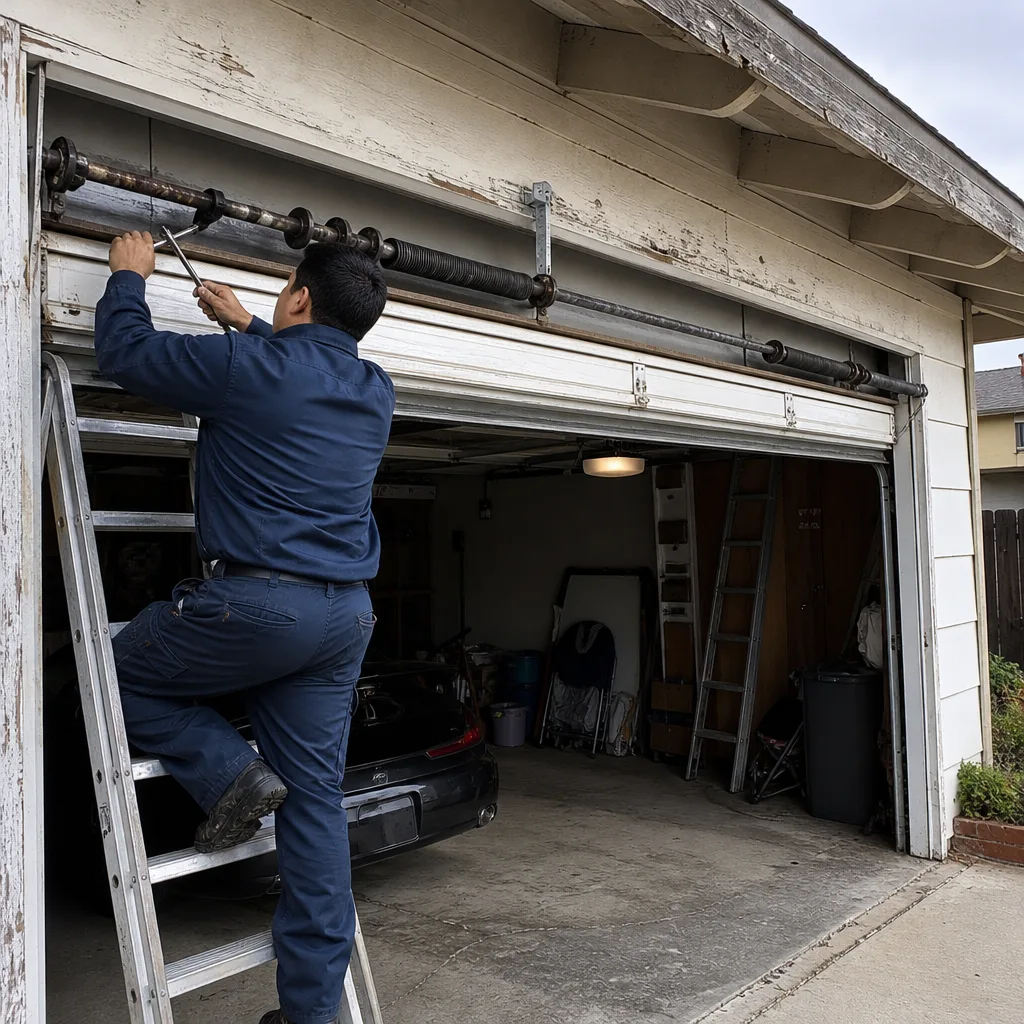 Before
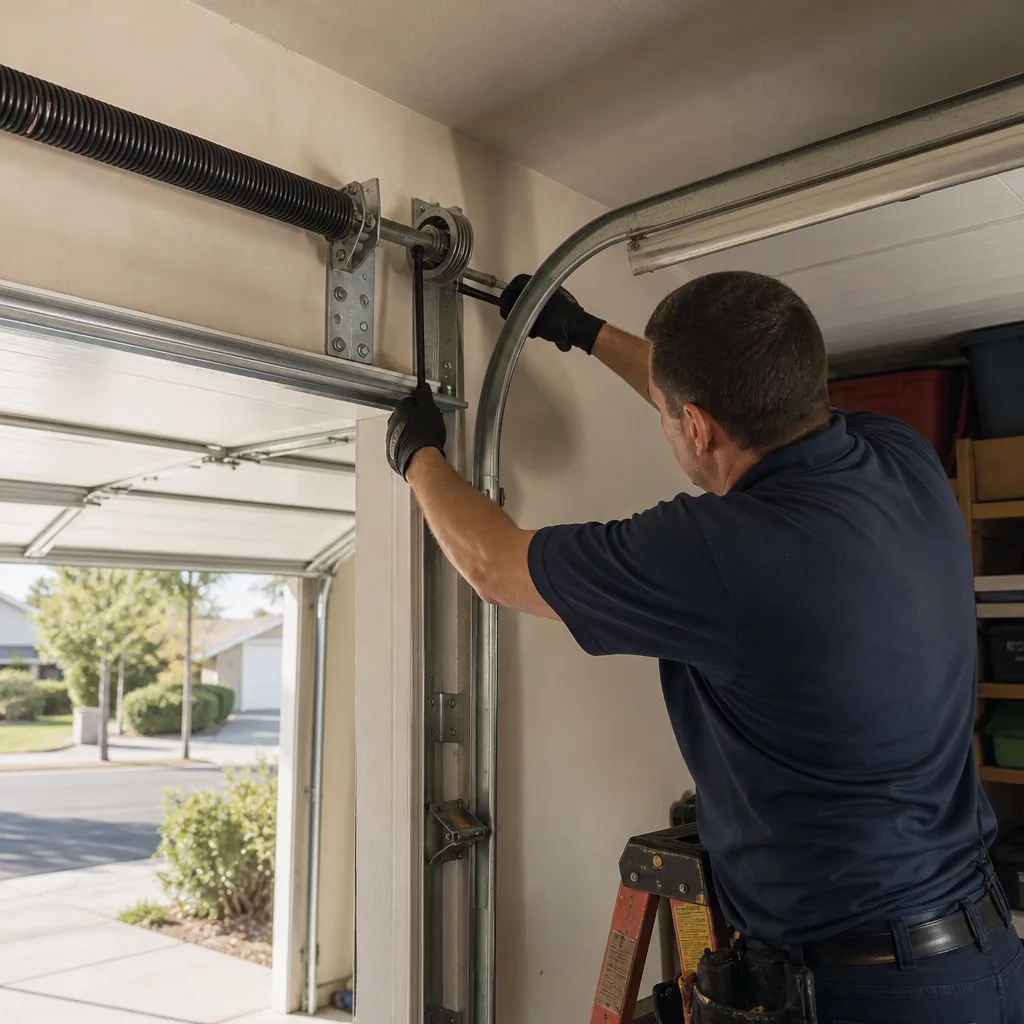 After
 Before
 After
 Before
 After