
Last updated November 3, 2026
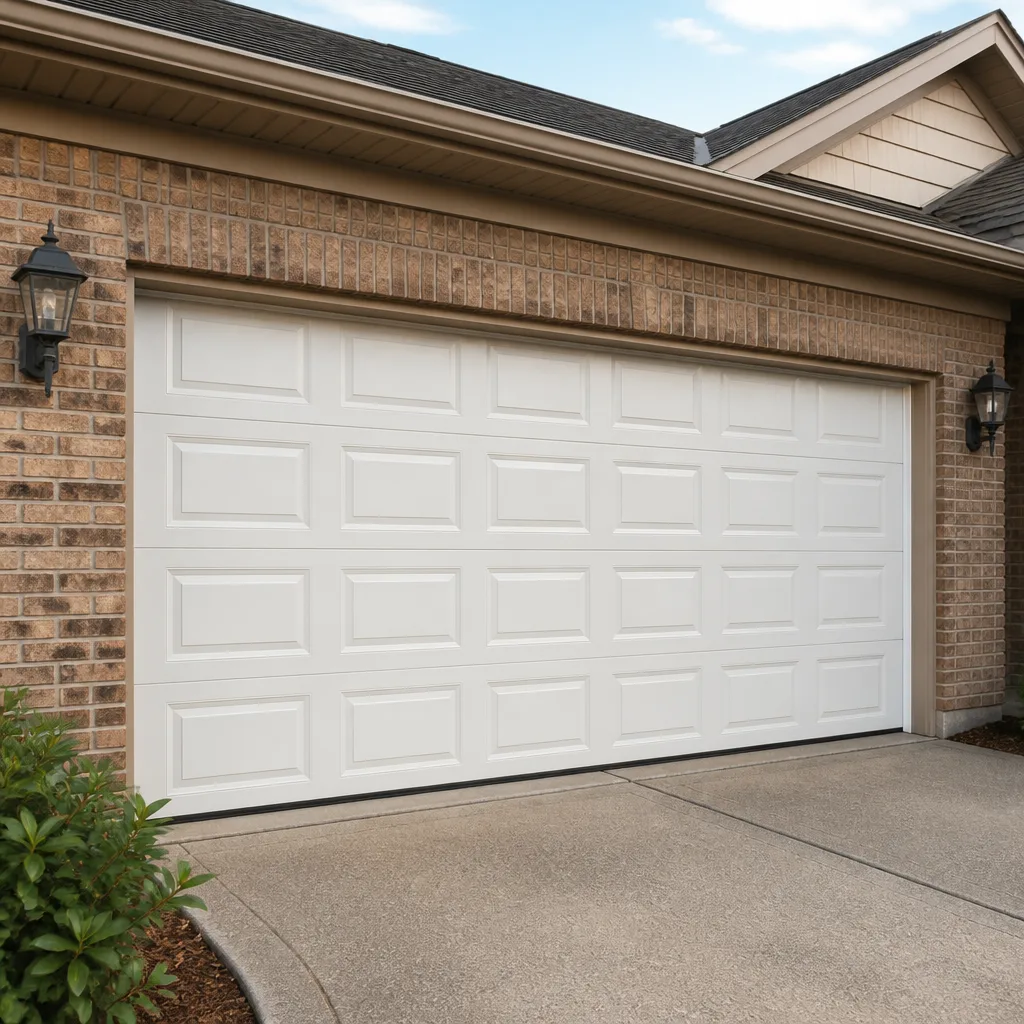 Raised-panel steel
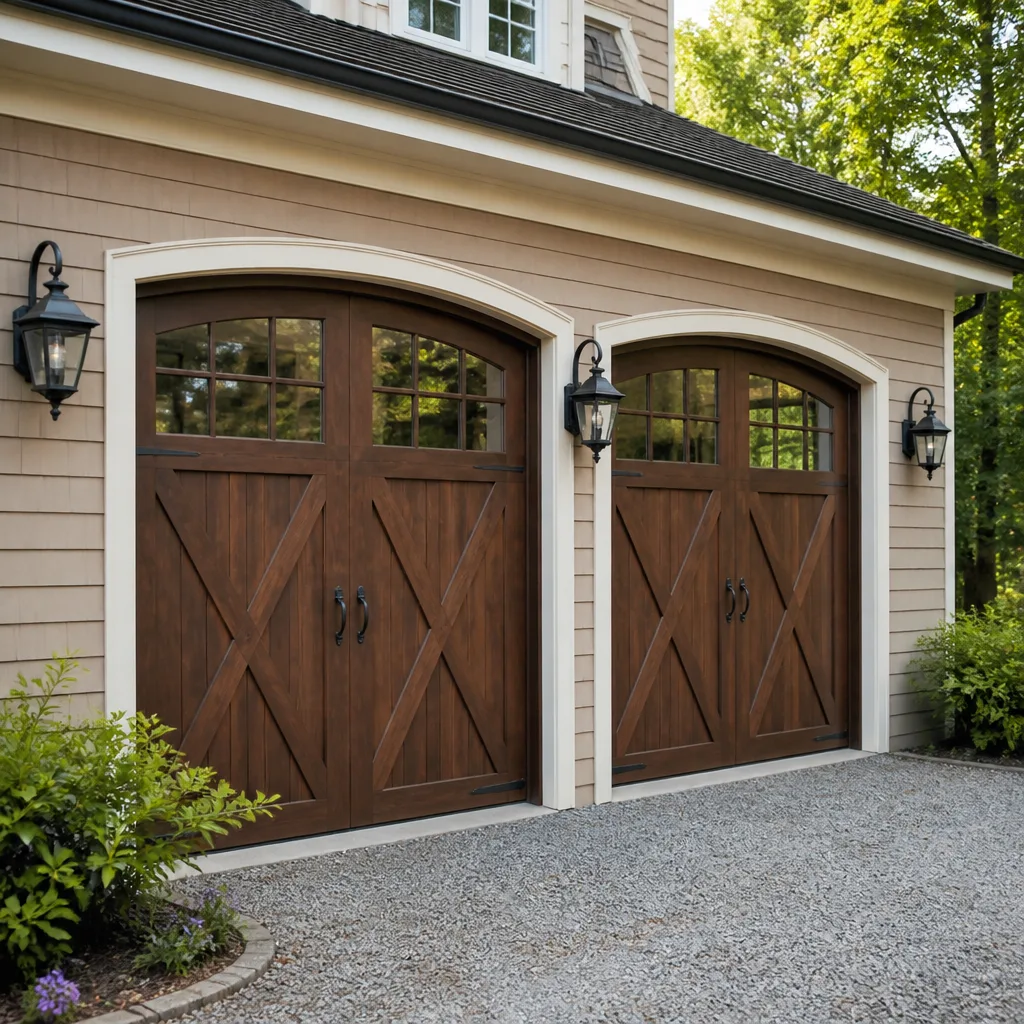 Carriage house
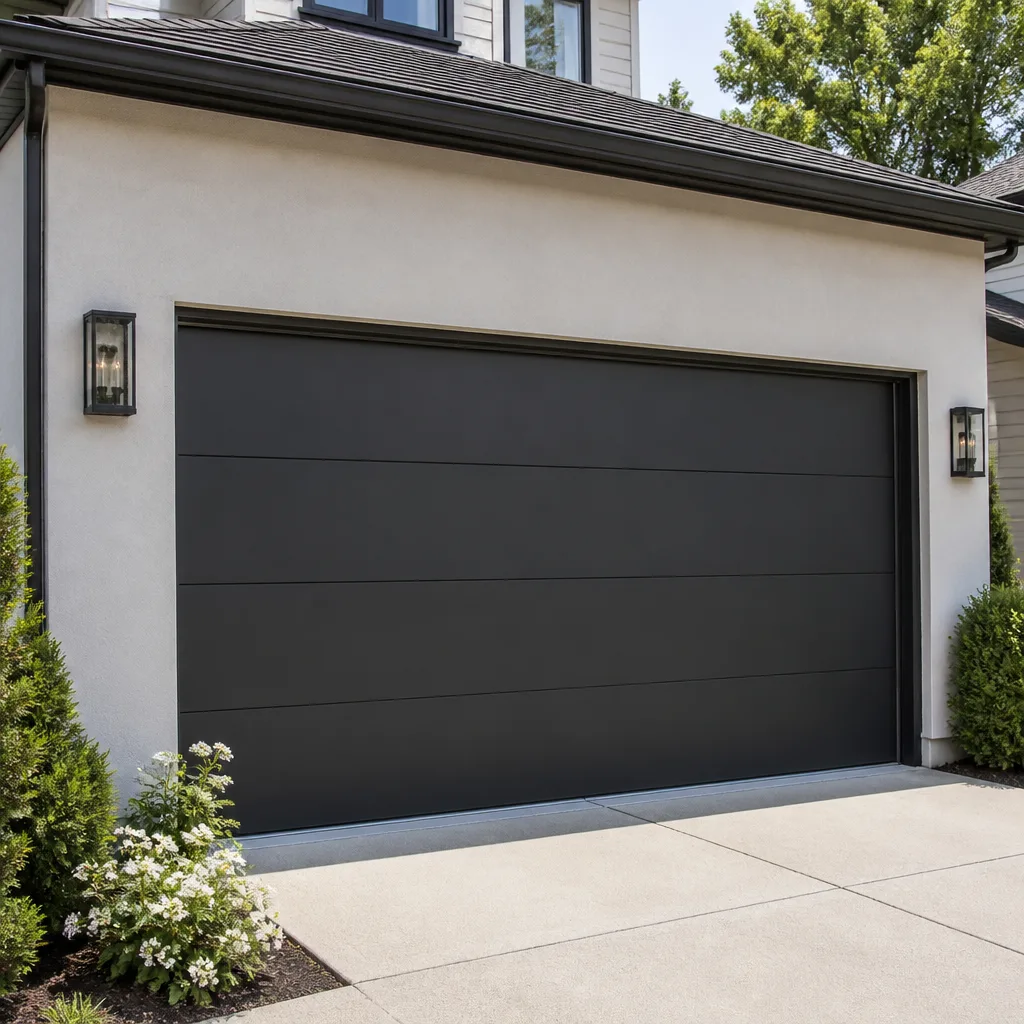 Modern flush
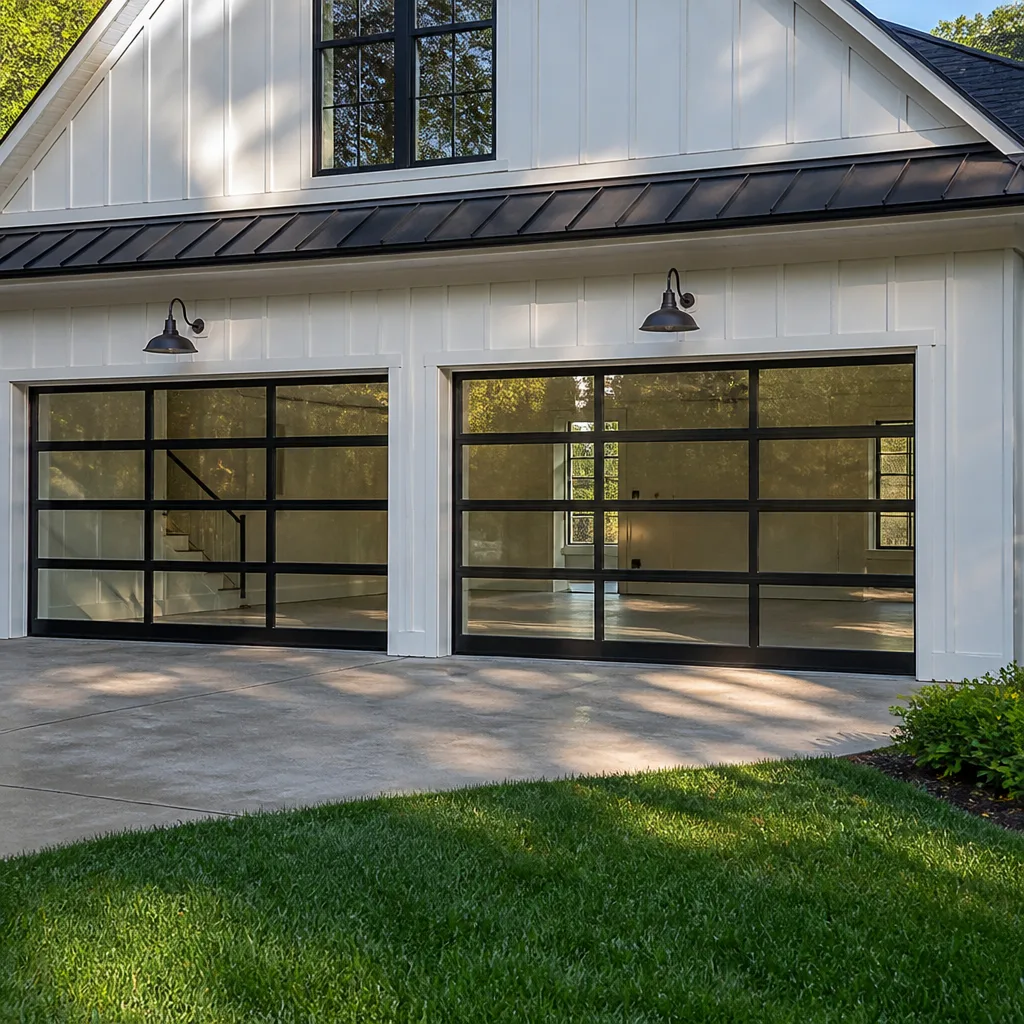 Full-view glass
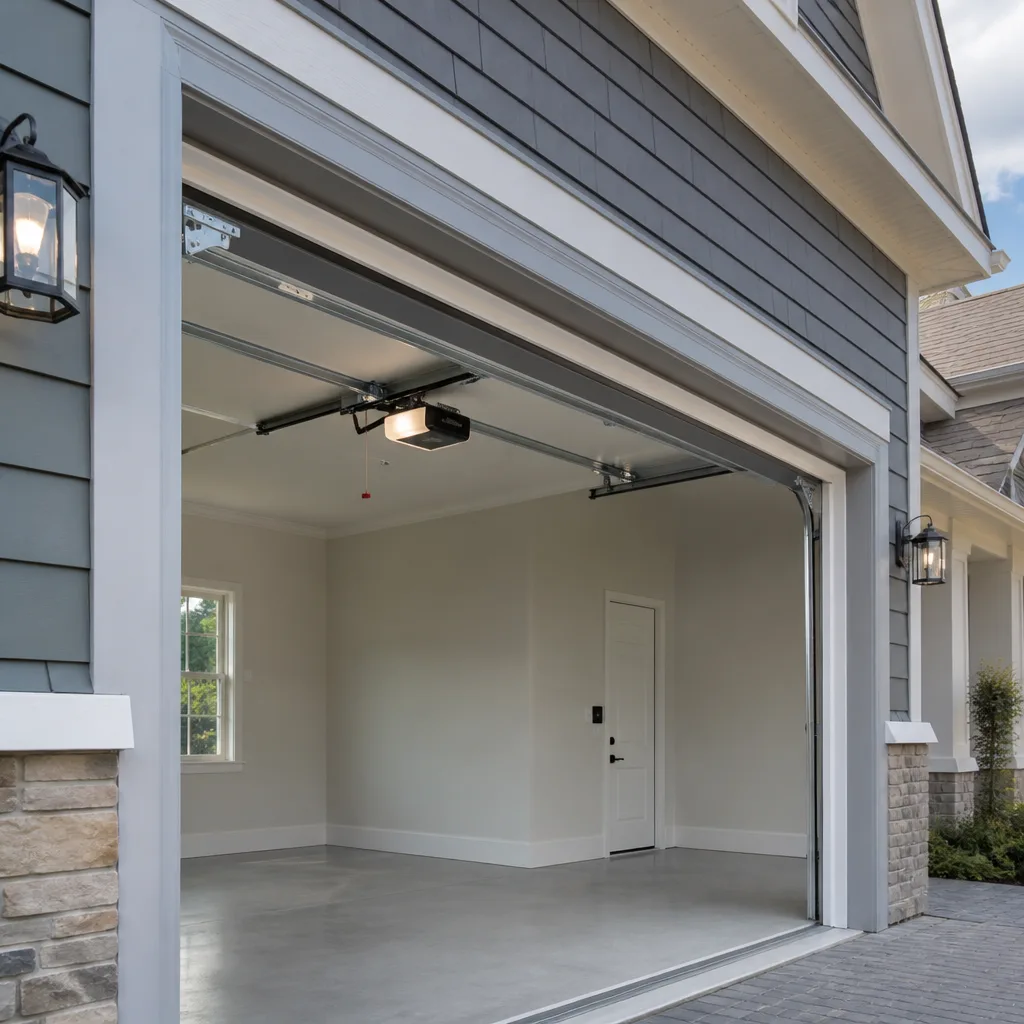 LiftMaster openers
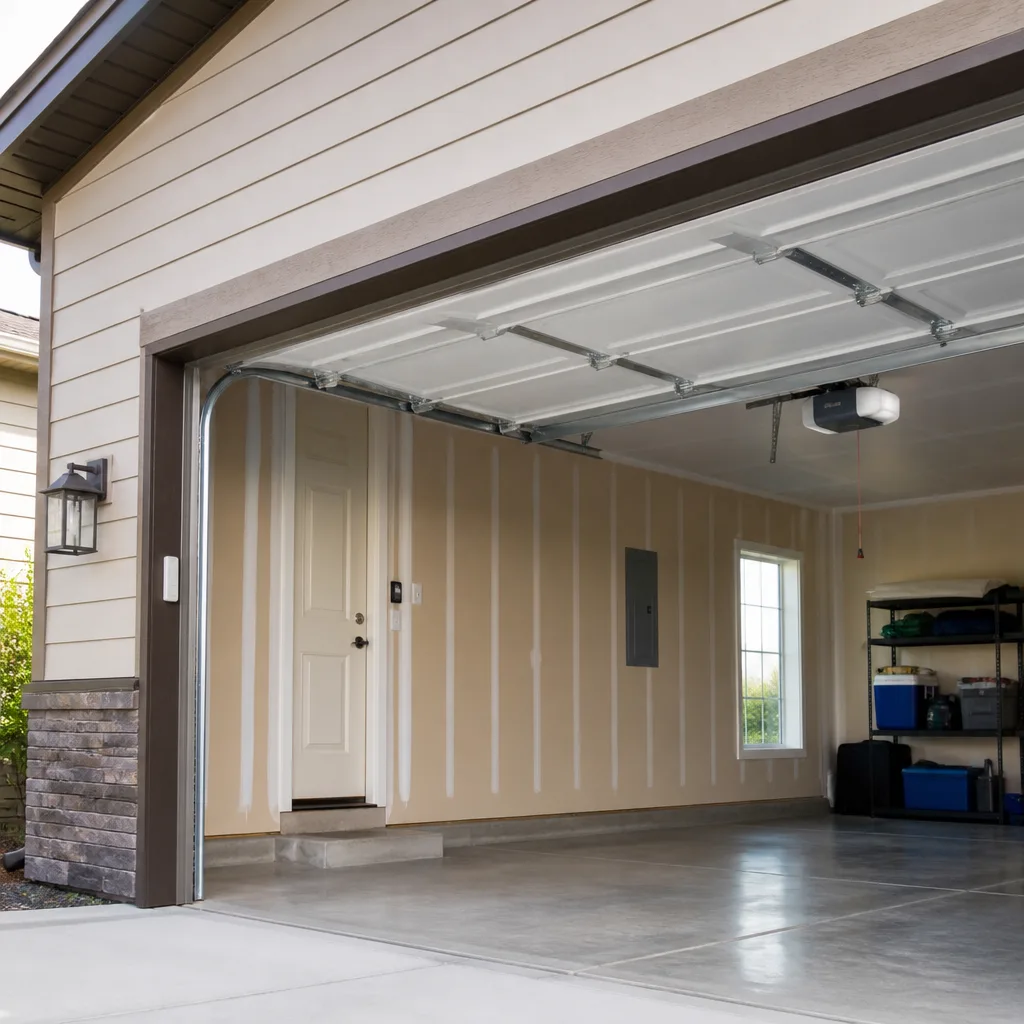 Chamberlain openers
Full 25-point door and opener safety check with every visit - springs, cables, rollers, tracks, and your LiftMaster or Chamberlain opener included
You get a price before we start. It does not change when the truck arrives.
Get your free estimateThe Complete Garage Door Repair Guide for Burbank Homeowners
Your garage door moves more than 1,500 times a year, and most of its critical components have never been inspected. Not when you bought the house, not since. In Burbank, where summer heat spikes past 100°F and Santa Ana winds push dry air through every seal, that neglect catches up faster than it does in coastal neighborhoods. The Complete Guide to Garage Door in Burbank walks you through the mechanical reality of your door system, which parts fail first in this climate, what you can safely handle yourself, and when a trained technician is the only sensible option.
Styles & brands we work with
- Raised-panel steel
- Carriage house
- Modern flush
- Full-view glass
- LiftMaster openers
- Chamberlain openers
Quick Answer
Garage Door Repair services in Burbank usually means one of three things: a broken spring, a failed opener, or worn rollers and cables. Most repairs run between $150 and $400 depending on the part and the door system, and a professional inspection in Burbank is the fastest way to pinpoint which of these is failing before it strands your car in the driveway. Anchor Garage Door Repair works on LiftMaster, Chamberlain, Genie, Clopay, Amarr, Wayne Dalton, Craftsman, and Raynor systems, so the diagnosis matches the door you actually have.
Table of Contents
- How Your Garage Door System Actually Works
- What Fails First, Second, and Third in Burbank’s Climate
- Springs: The Silent Load Bearers
- Openers: The Most Failure-Prone Part of the System
- Reading Your Door’s Behavior Before It Breaks
- What to Document Before You Ever Need a Repair Call
- Maintenance You Can Safely Do Yourself
- Common Mistakes to Avoid
- When to Call a Professional
- Frequently Asked Questions
- The Bottom Line
How Your Garage Door System Actually Works
A garage door is not a single machine. It’s a counterweight system with a motor bolted to it. The door itself, whether it’s a steel Clopay, a wood-grain Amarr, or a lightweight aluminum Wayne Dalton, weighs between 130 and 400 pounds. You never feel that weight because the springs do the lifting. The opener only supplies motion, not muscle.
Here’s the sequence every time you press the button:
- The opener motor engages and drives a trolley along a rail.
- The trolley pulls or pushes a curved arm connected to the top of the door.
- The torsion or extension springs uncoil or stretch to offset the door’s weight.
- The rollers guide the door along the tracks, changing direction at the curve.
- The cables, wrapped around drums at each end of the spring shaft, keep both sides lifting evenly.
When any one of these components degrades, the others compensate. A weak spring makes the opener work harder. A worn roller makes the door ride crooked, which strains the cables. A misaligned track forces the rollers to grind. Most Burbank repair calls we see involve a cascade like this: a part that failed weeks ago finally overloaded the part that broke today.
In our experience, homeowners who understand this chain are far better at catching problems early. The door behaves differently when a component is dying. It’s rarely sudden. There’s almost always a warning stage, and this guide teaches you to read it.
What Fails First, Second, and Third in Burbank’s Climate
Burbank’s weather pattern is specific, and it attacks specific components. The summer heat spikes, sometimes hitting 105°F or higher in the Verdugo foothills and consistently hot across the flatlands from Magnolia Park to the Rancho. The air stays dry most of the year, with humidity dropping below 20 percent during Santa Ana events. Then winter brings sudden downpours that dump an inch of rain in a few hours.
That cycle, hot-dry-wet-hot-dry, is harder on garage door parts than the steady coastal fog in Santa Monica or the milder temperatures over the hill in Glendale.
The Failure Order We See Most Often
- Weatherstripping and bottom seals first. Dry heat cracks the vinyl and rubber. The bottom seal shrinks, splits, and loses its flexibility. A failed seal lets dust, leaves, and the occasional rat into the garage. In Burbank, the hillside neighborhoods like Brace Canyon and the streets near Stough Canyon see more wildlife pressure than the flats, and a cracked seal is an open invitation.
- Springs second. Both torsion and extension springs are rated for a number of cycles, usually 10,000. Most springs installed in Burbank homes see 4 to 6 cycles per day, more if the garage doubles as a workshop or gym. That’s 1,500 to 2,200 cycles a year. A 10,000-cycle spring lasts 5 to 7 years in normal use. Heat does not directly weaken steel springs, but the repeated expansion and contraction from 100-degree afternoons to 50-degree nights accelerates metal fatigue slightly faster than in milder climates. When we replace springs in Burbank, we typically see them fail between year 5 and year 8.
- Rollers and hinges third. Nylon rollers wear faster in dry heat because the bearing grease dries out. Steel rollers wear the track hinges instead. Either way, the door starts riding rough. On Chamberlain and LiftMaster belt-drive openers, which are quieter, the rougher ride is audible before it’s visible. On older chain-drive Craftsman units, the noise blends in with the chain rattle, so the damage advances further before anyone notices.
- Cables fourth. Cables usually don’t fail first. They fail because a spring broke and the door slammed down, or because a worn roller let the door ride unevenly long enough to fray the cable against the drum. When a cable snaps, the door drops on one corner, and that’s a genuinely dangerous situation. Never try to open a door with a snapped cable. Call a technician.
Springs: The Silent Load Bearers
Garage door springs are under more tension than any other household component you own. A typical torsion spring holds 150 to 250 pounds of torque per side. When one breaks, it sounds like a gunshot in the garage. We hear that description from Burbank homeowners at least twice a week during the summer months.
There are two common spring systems:
- Torsion springs sit on a shaft above the closed door. They twist as the door closes, storing energy, then release it as the door opens. They’re found on most doors installed after the early 2000s, including Clopay, Amarr, and Wayne Dalton models.
- Extension springs run along the horizontal tracks on either side. They stretch when the door closes and contract when it opens. They’re common on older doors and on lighter aluminum doors popular in Burbank’s mid-century ranch houses from the 1950s and 60s.
What Spring Failure Looks Like
- The door opens 6 to 12 inches and stops, even though the opener motor is running.
- The door feels heavy when you try to lift it manually by the handle.
- The door slams down faster than normal when closing.
- You see a visible gap in the torsion spring, usually a clean two-inch separation.
Spring repair is not a DIY job. The stored energy in a wound torsion spring is enough to break bones or worse if the winding bar slips. A professional has the right bars, the right training, and the right replacement spring rated for your door’s exact weight and height. Guessing on spring size is dangerous and leads to a door that doesn’t balance, which then destroys the opener. We handle spring replacement for every major brand door, and the work typically takes under an hour once the parts are on the truck.
Openers: The Most Failure-Prone Part of the System
Openers fail more often than doors do. The motor, the logic board, the gears, the belt or chain, the safety sensors: that’s five failure points in one machine, and most of them are electronic. In Burbank, power surges from summer brownouts and the occasional heat-triggered outage add another stressor that coastal homes rarely see.
Anchor Garage Door Repair treats opener repair as its own dedicated service, not a side note to door work. Here’s why: the opener is usually the most expensive single component in the system, and a wrong diagnosis costs you more than the repair. A stripped gear sounds different from a dead capacitor. A bad logic board behaves differently from a misaligned safety sensor. We diagnose by symptom and sound, not by brand manual alone, because we work on enough LiftMaster, Chamberlain, Craftsman, and Raynor units to know the failure patterns across all of them.
Common Opener Symptoms and What They Mean
- The motor hums but the door doesn’t move: The drive gear inside the opener is stripped. Common on older Craftsman chain-drive units, less common on newer belt-drive LiftMaster and Chamberlain models.
- The door reverses immediately after touching the floor: The close-force setting is off or the travel limits need adjusting. This is usually a 15-minute fix.
- The opener runs but the door only moves a few inches: The trolley coupling or the carriage is worn. We see this on Raynor openers that have passed the 8-year mark.
- The opener works with the wall button but not the remote: The receiver board or antenna is failing, or the remote’s frequency is being jammed by a neighbor’s system. Burbank’s dense hillside housing puts more garage door radio signals in the air than a typical suburb, and we’ve resolved interference issues by switching remote frequency channels.
- The safety sensors blink or the door won’t close at all: The sensors are misaligned, dirty, or the wiring from the sensor to the motor has a short. Sunlight hitting the sensor at certain angles in Burbank’s afternoon glare can also trip them.
If any of these sound familiar, our Garage Door Opener Repair in Burbank service covers the full diagnosis and fix. In most cases the repair is faster and cheaper than replacing the entire unit, especially when the opener is less than 10 years old.
Reading Your Door’s Behavior Before It Breaks
Your garage door tells you when it’s struggling. Most people ignore it until the day it stops working entirely. Here are the early warning signs, in order of urgency:
1. The Grind
A grinding noise usually means the rollers are running dry or the track is misaligned. It’s the least urgent warning sign, but it should not be ignored for more than a few weeks. Dry rollers add friction, and friction makes the opener work harder, which shortens the opener’s life. In Burbank’s dry air, roller lubrication dried out faster than in humid climates, so this one appears earlier here.
2. The Slow Response
If there’s a noticeable pause between pressing the button and the door starting to move, the opener’s capacitor or logic board is aging. This is often a precursor to full opener failure. On LiftMaster and Chamberlain units from the last five years, we sometimes see this caused by a failing wall control rather than the motor itself, but either way, it’s a diagnostic call.
3. The Uneven Lift
One side of the door rises faster than the other. The cables are wearing unevenly or a spring is losing tension. If the door seems to hesitate at the same point in its travel every time, get it looked at before the imbalance turns into a snapped cable or a bent track.
4. The Slam
The door drops hard on the last foot of closing. This means the springs are under-tensioned or failing, and the door is about to break something. A slamming door can crack the bottom panel, bend the track, or eventually snap a cable.
All four of these signs are fixable before they turn into a no-open situation. In Burbank, where most homes use the garage door as the primary entry point, a door that won’t open at 7 a.m. on a workday is more than an inconvenience. It’s a scheduling problem with a car stuck inside.
What to Document Before You Ever Need a Repair Call
When your door breaks, the last thing you want to do is dig through a dark garage looking for a model number. Take ten minutes this weekend and document your system. It costs nothing and saves real time when you call a repair company.
Here’s what to write down and keep somewhere accessible, like a note on your phone or a card taped inside the garage:
- Door brand and model. Look for a label on the inside of the door panel, usually near the bottom or on the edge. Clopay, Amarr, and Wayne Dalton all print model numbers on a sticker. If the label is faded, note the material and style instead.
- Opener brand and model. The label on the motor head shows the brand and model, like LiftMaster 8500W or Chamberlain B550. Note whether it’s belt drive or chain drive if you can tell.
- Spring type and configuration. Look above the closed door. A torsion spring is a horizontal spring on a shaft. Extension springs are two springs along the side tracks. Count them. One spring or two?
- Door size. Standard single doors are 8×7 or 9×7. Double doors are usually 16×7. Measure roughly; it helps the technician bring the right spring and cable lengths.
- Any history. If a spring was replaced before, note the year. If the opener has been repaired, note what was done. A door with a service history is faster to diagnose.
We work on all the major brands, so we don’t need you to know everything about your system before you call. But when a homeowner can tell us “it’s a 16×7 Amarr with a single torsion spring and a belt-drive Chamberlain,” we can often diagnose over the phone and arrive with the right parts on the truck. That’s the difference between a same-day fix and a second visit.
Maintenance You Can Safely Do Yourself
Some garage door tasks are genuinely safe for a homeowner. These are the maintenance items that prevent the cascading failures described above:
Monthly: The Visual Check
- Look at the springs. Any visible gaps, rust, or separation between coils is a red flag.
- Look at the cables. Fraying, kinking, or loose strands around the drums mean replacement is near.
- Look at the rollers. If the nylon wheels are cracking or the metal wheels are wobbling, they’re worn.
- Look at the track. Any bends, dents, or visible misalignment where the track meets the curved section.
Quarterly: The Lubrication Pass
- Use a lithium-based grease or a dedicated garage door lubricant (not WD-40, which is a solvent).
- Lubricate the rollers’ bearings, the hinges, the spring coils, and the opener rail.
- Wipe off excess with a rag so dust and Burbank’s dry grit don’t stick to it.
Semi-Annually: The Balance Test
Pull the red emergency release handle while the door is closed. Lift the door manually to waist height and let go.
- If the door stays put, the springs are balanced.
- If the door drops, the springs are losing tension. Call a professional.
- If the door rises on its own, the springs are over-tensioned. Also a professional adjustment.
Everything else, including any task involving spring adjustment, cable replacement, track realignment, or opener repair inside the motor housing, should go to a trained technician. The most expensive repair we see is the one that follows a DIY attempt on a spring or cable that went wrong.
Common Mistakes to Avoid
- Ignoring the noise. A grinding or squeaking door never fixes itself. The longer it runs rough, the more components it damages. In Burbank’s dry climate, unlubricated parts wear out not in years but in months.
- Disconnecting the opener and forcing the door open. If the door is heavy or jammed, forcing it by hand bends the track and breaks the top panel. If a cable has snapped, forcing the door can drop it on you.
- Replacing only one spring when both are worn. Springs wear together. If one breaks and the other is the same age, the second will fail within months. Installing one new spring leaves you with an unbalanced door and doubles your labor cost on the next visit.
- Buying parts online without knowing your door’s exact weight and size. A spring rated for an 8×7 door will not balance a 16×7 door. The spec charts matter, and guessing creates a dangerous door.
- Using WD-40 on everything. It’s a solvent, not a lubricant for garage door bearings. It strips the existing grease and accelerates wear. Use a proper garage door lubricant instead.
- Waiting until the door won’t open to call. The early warning signs described above are cheap to fix. The full breakdown that follows them is not.
- Hiring a general handyman for spring work. Spring replacement requires specific winding bars, the right spring for the door spec, and experience with the tension. A handyman who “has done a few” is how we see stripped winding cones and broken window glass. Use a garage door specialist.
When to Call a Professional
Call a professional the day you notice any of the following: a visible gap in a torsion spring, a frayed cable, a door that won’t stay balanced, a bent track, a slammed closure, or an opener that runs but doesn’t move the door. These are not weekend projects, and most of them involve enough stored energy or enough weight to cause serious injury if handled incorrectly.
Anchor Garage Door Repair offers free estimates in Burbank. We work on LiftMaster, Chamberlain, Genie, Clopay, Amarr, Wayne Dalton, Craftsman, and Raynor systems, so the door and opener you own are within our daily repair scope. Call (833) 589-9142 and describe what you’re seeing. We’ll tell you over the phone whether it’s urgent and what the likely fix will be. The price is quoted and agreed before any work starts.
For a broader look at what we do, see our Garage Door Repair in Burbank page or visit the Anchor Garage Door Repair home page for service scope and contact details.
Frequently Asked Questions
Most garage door repairs in Burbank run between $150 and $400 depending on the part. A single spring replacement typically falls between $180 and $340 including labor. Opener repairs range from $125 to $350 depending on the component. Cable replacement usually runs $150 to $250. A full door replacement is a separate project with a different price range. Call (833) 589-9142 for an exact quote on your specific system, the estimate is free and the price is fixed before work begins.
Yes, in most cases. Because we carry springs, cables, rollers, and geardrive components for all eight major brands on our trucks, a single-visit repair is the norm rather than the exception. The variables are whether you have a less common door size or a discontinued opener part. Call (833) 589-9142 and describe your door, and we’ll tell you whether same-day service is realistic before you commit.
No. The quote we give you after diagnosing the door is the price you pay. We don’t pad invoices after the work starts. If a second component turns out to be damaged and we didn’t quote it, we stop and tell you before doing anything else. The price is always agreed, in writing, before any work starts.
Yes. Our trucks are stocked with springs, cables, rollers, hinges, brackets, sensors, and common opener parts for LiftMaster, Chamberlain, Genie, Clopay, Amarr, Wayne Dalton, Craftsman, and Raynor. That’s why most of our Burbank repairs are completed in one visit.
We service LiftMaster, Chamberlain, Genie, Clopay, Amarr, Wayne Dalton, Craftsman, and Raynor. That covers the vast majority of doors and openers in Burbank homes, including the older mid-century ranch houses in the flats and the newer builds in the hillside developments. If you don’t see your brand listed here, call (833) 589-9142 and ask. We’ll tell you honestly whether we can help.
A noisy door is usually an early mechanical warning, not a safety issue by itself. But the underlying cause of the noise, a dry roller bearing, a loose hinge, a misaligned track, is exactly what turns into a broken cable or a stripped opener gear if left alone. Treat the noise as a knock on the door, and get it diagnosed before it becomes a repair bill you didn’t schedule.
Most springs are rated for 10,000 cycles, which translates to 5 to 8 years of normal use in Burbank. Homes that use the garage as a workshop, gym, or daily entry point through the garage, common in Burbank where street parking is tight, cycle the door more often and wear springs out faster. If your springs are past year 6, they’re on borrowed time.
For more on full door replacement rather than repair, see our Garage Door Installation in Burbank guide.
The Bottom Line
Your garage door is a mechanical system with predictable failure points, and Burbank’s climate accelerates all of them. The springs fail between year 5 and 8. The weatherstripping cracks in the first two summers. The opener gear strips under the load of a door that’s slowly losing spring tension. Every one of these failures announces itself early, with a sound or a movement irregularity you can learn to read. Document your door and opener today, do the monthly visual checks, lubricate quarterly, and call a specialist the day you notice something off. That’s how you turn a $400 spring replacement into a planned expense instead of a 7 a.m. emergency with a car stuck in the garage.
Anchor Garage Door Repair serves Burbank homeowners with repair, opener repair, and full installation across all eight major brands. For more guides & resources, visit our blog. One call covers it. Call (833) 589-9142 for a free estimate on any door or opener issue you’re dealing with.
Written by the team at Anchor Garage Door Repair, serving Burbank since 2011.
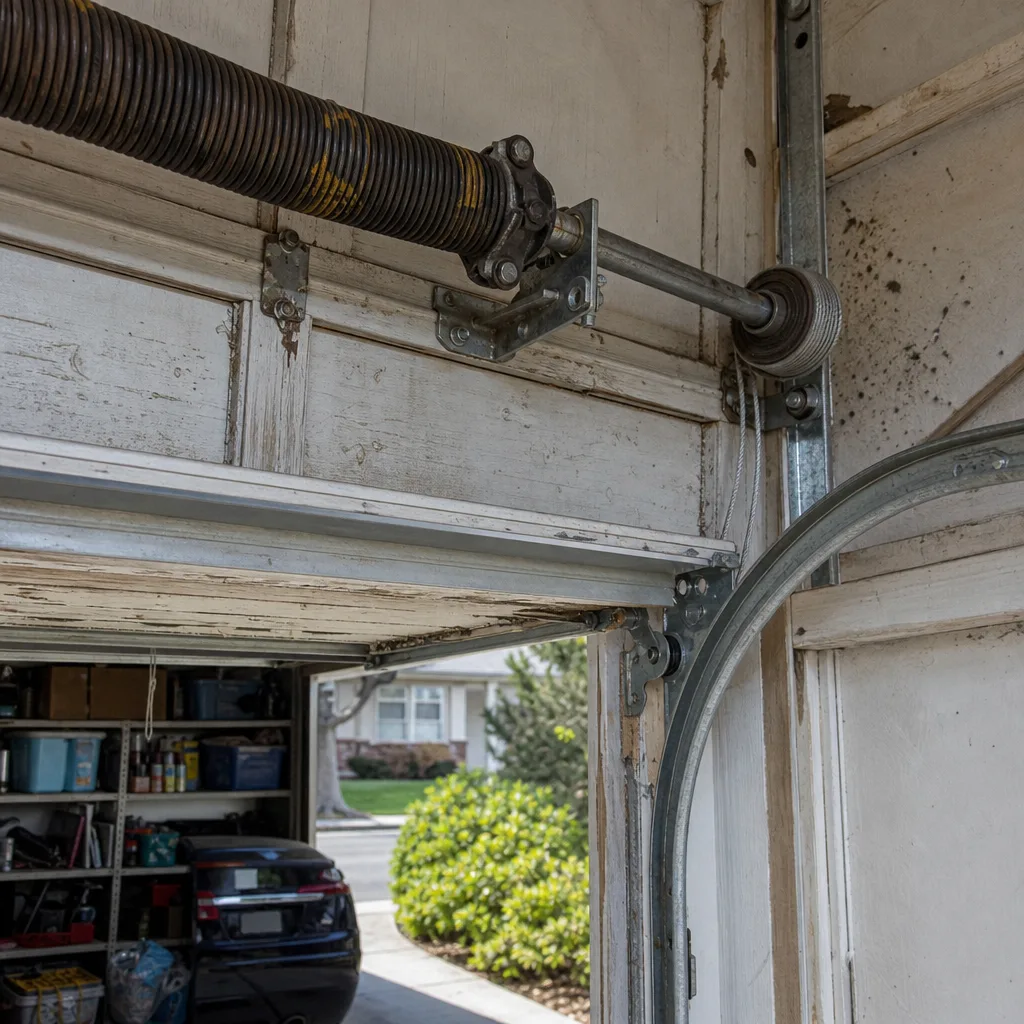
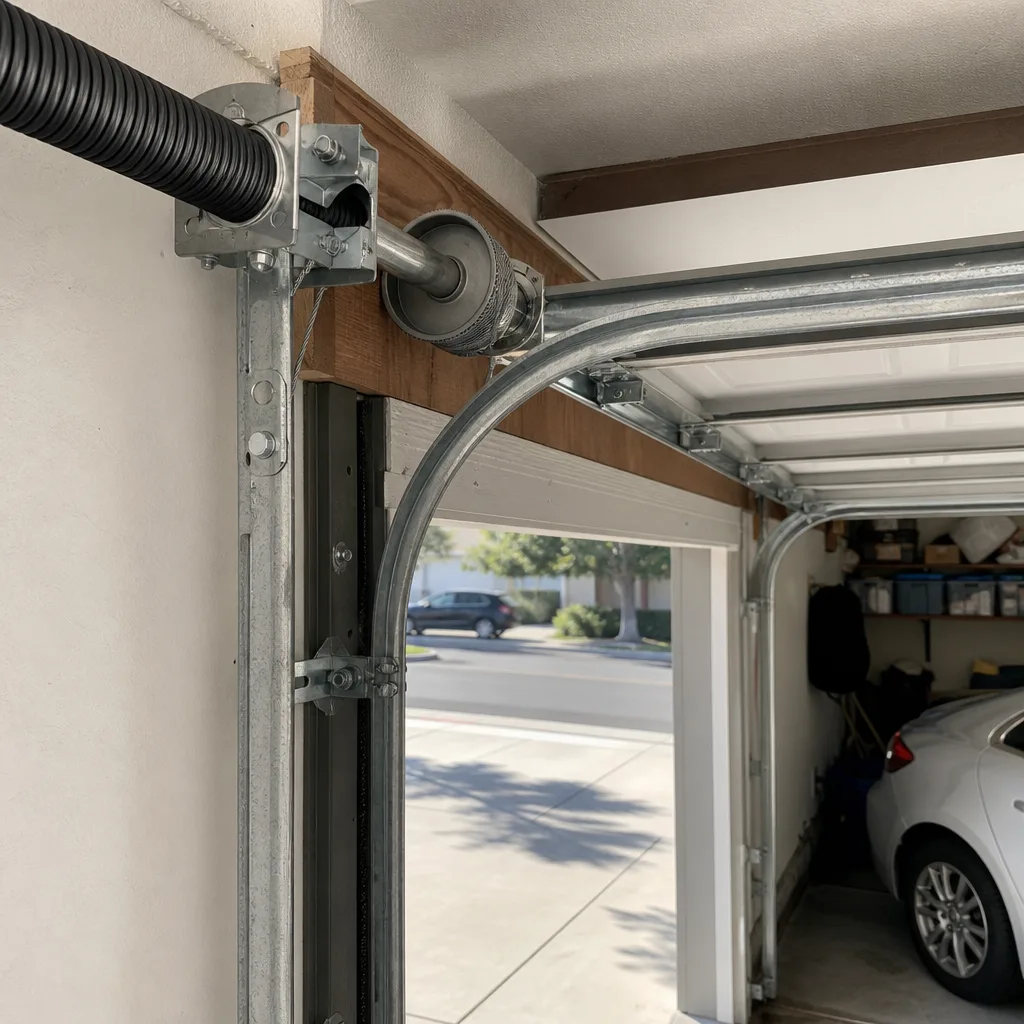
See the difference
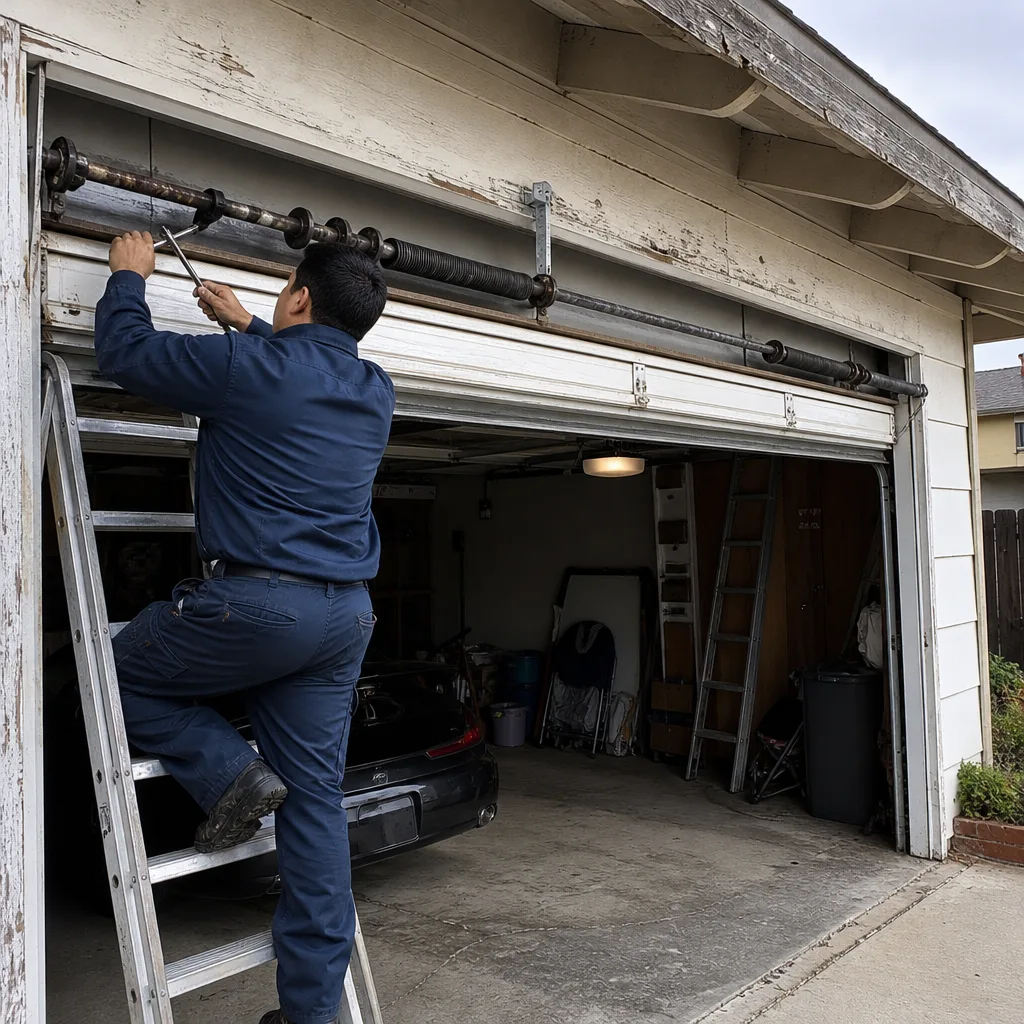 Before
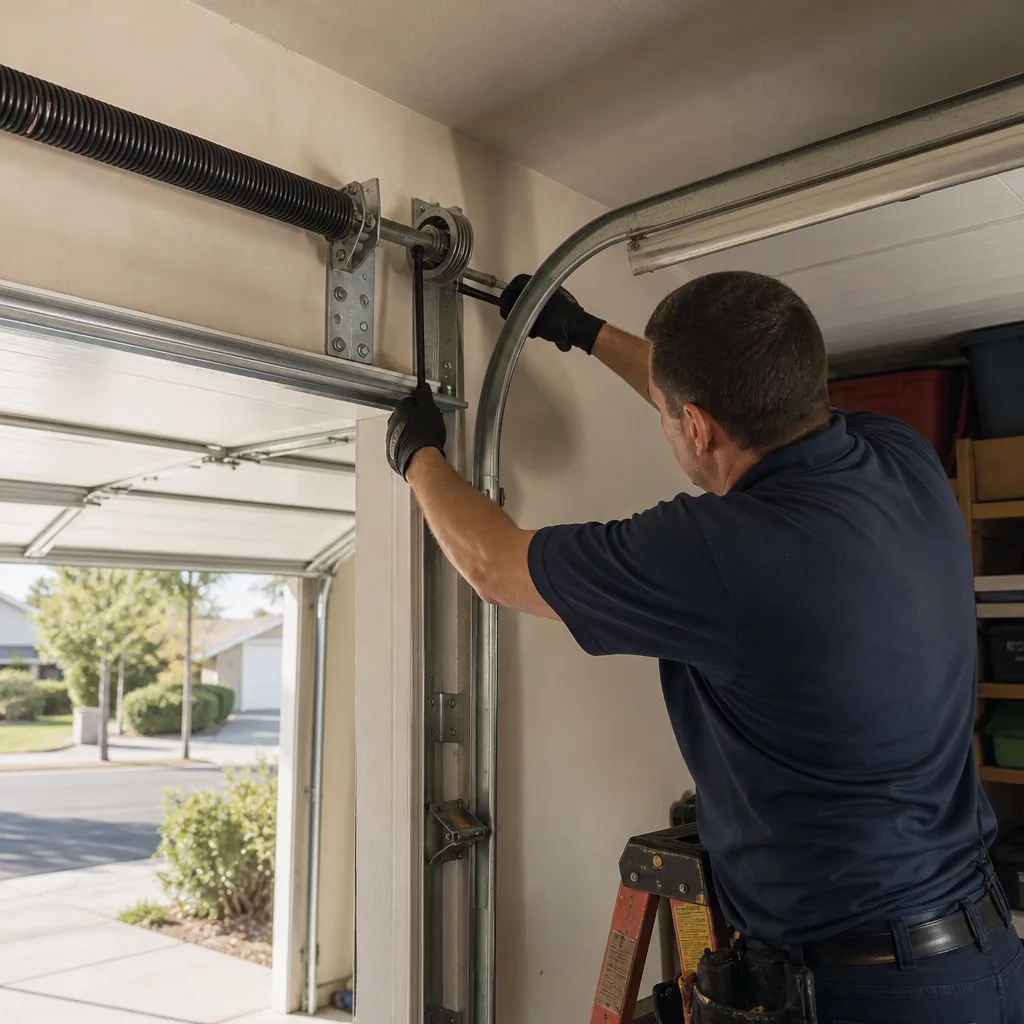 After
 Before
 After
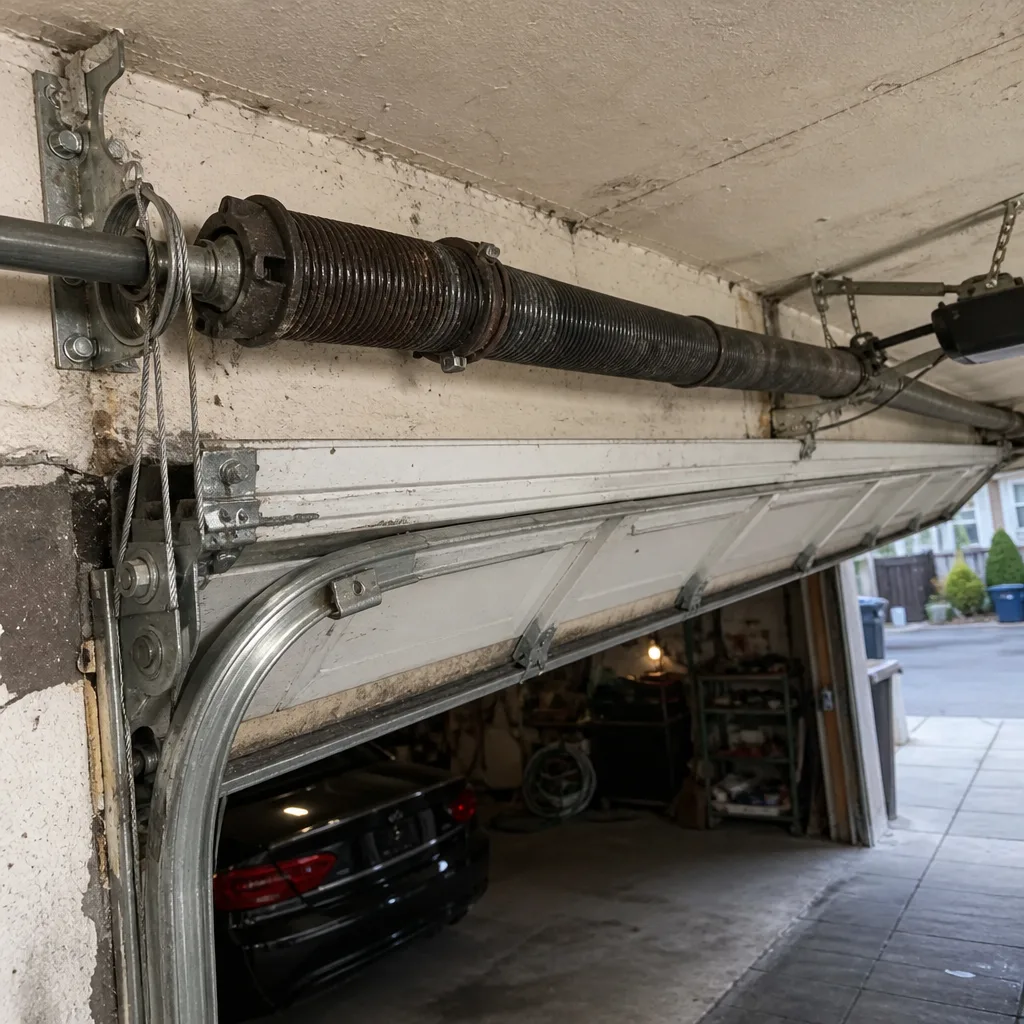 Before
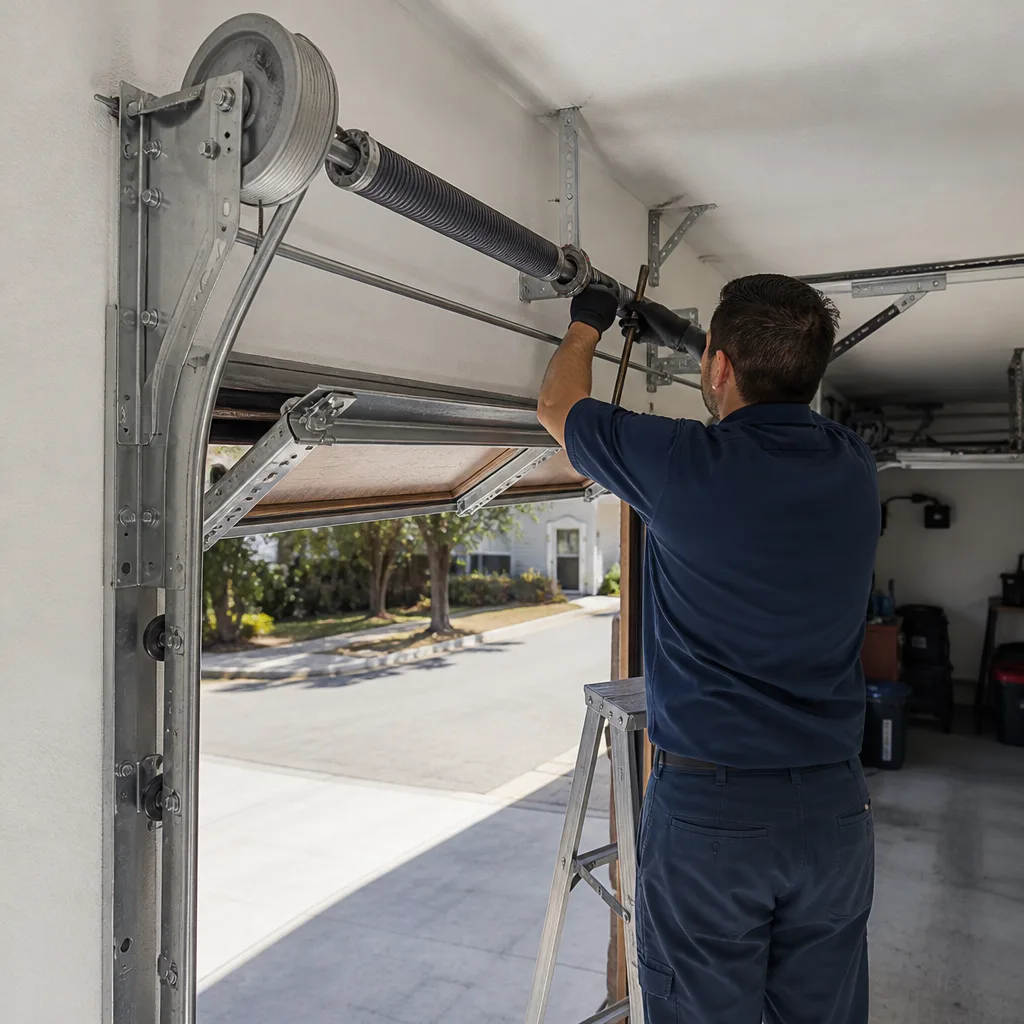 After