
Last updated November 3, 2026
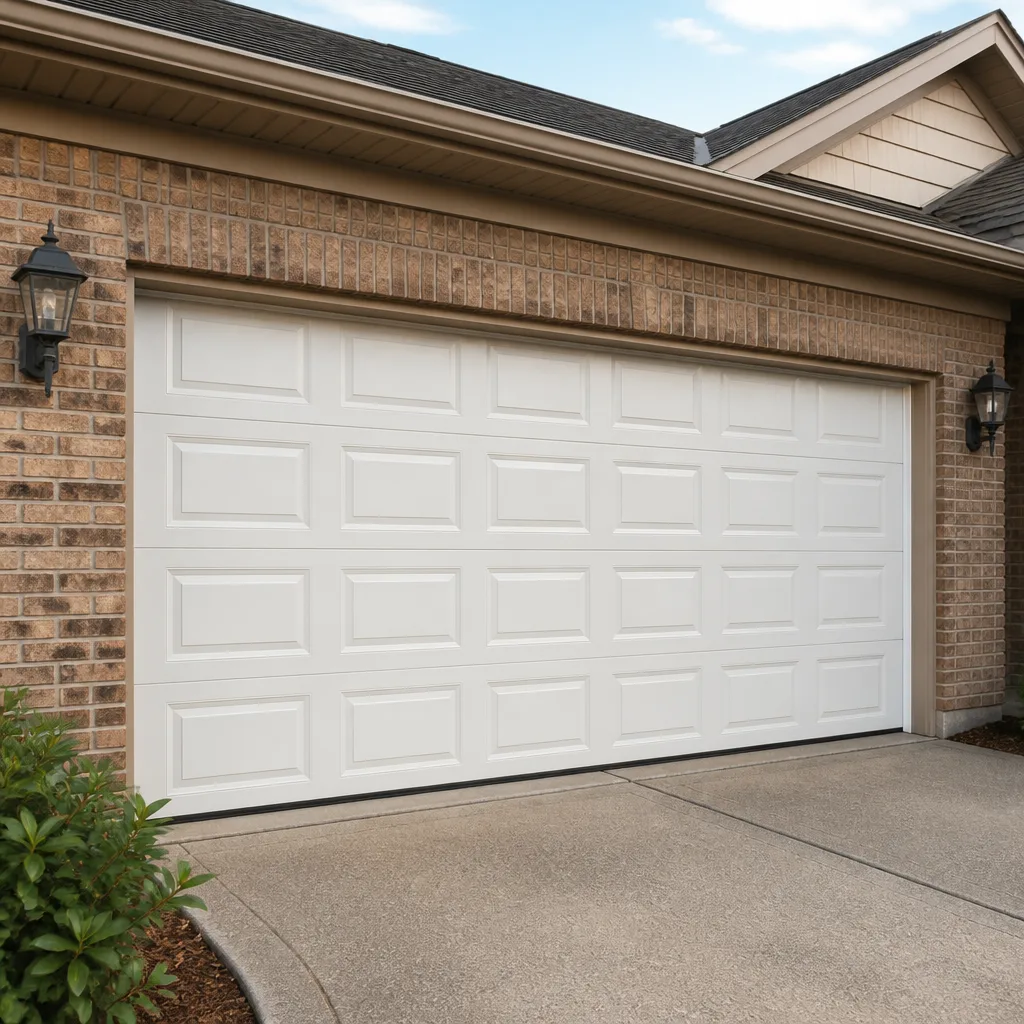 Raised-panel steel
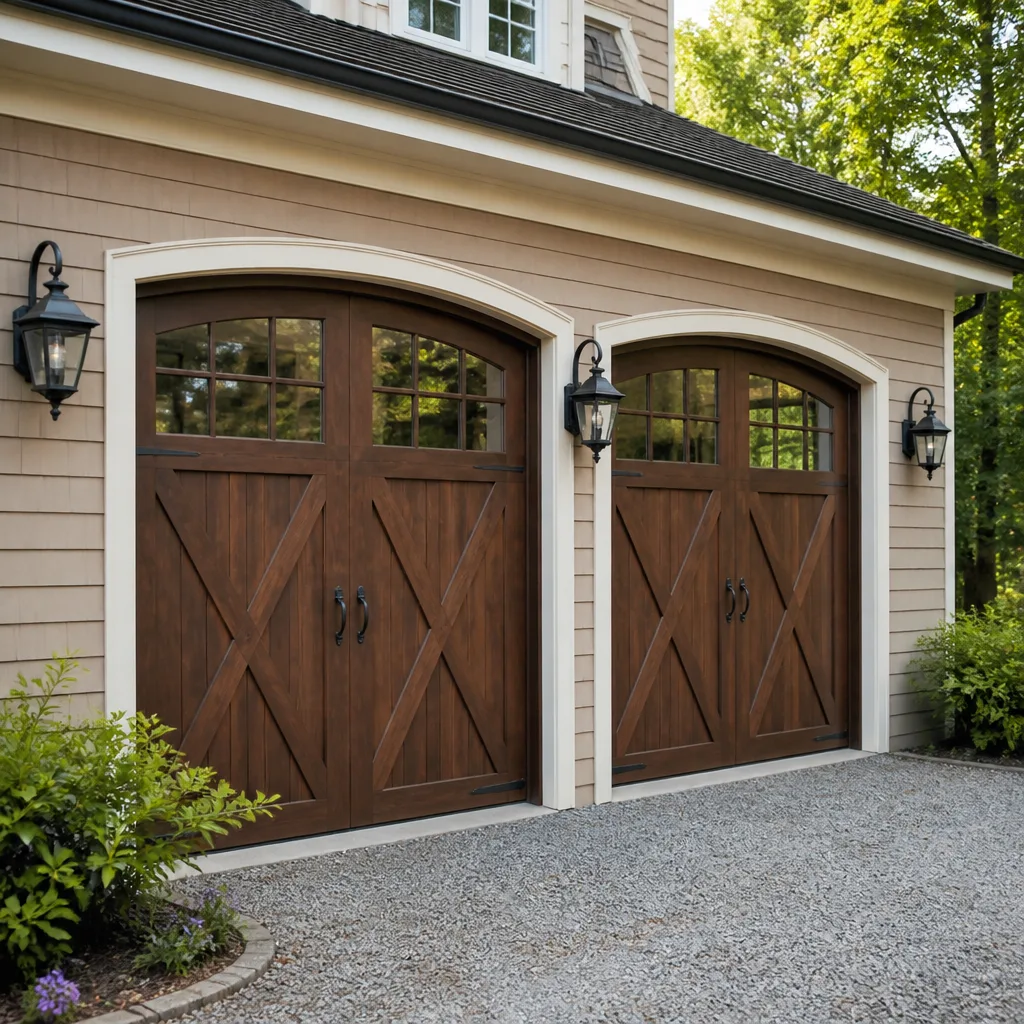 Carriage house
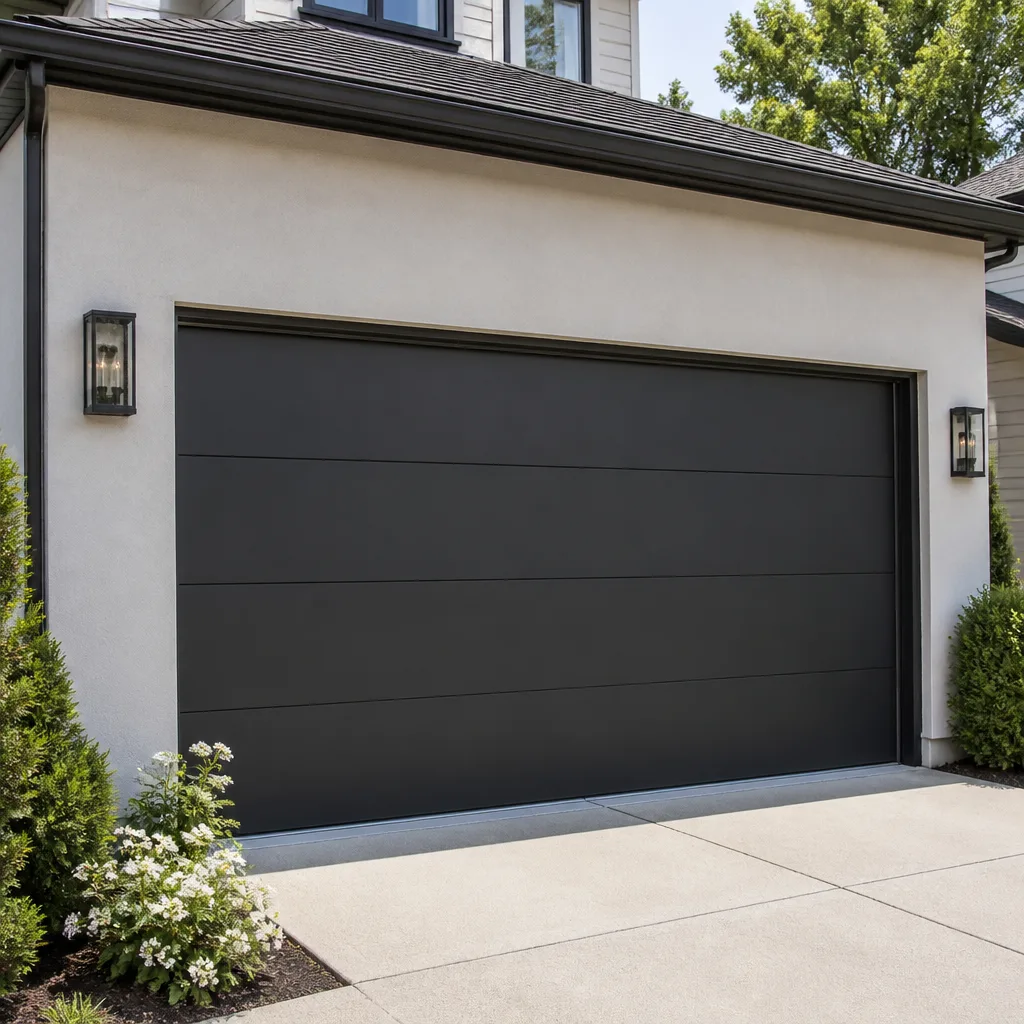 Modern flush
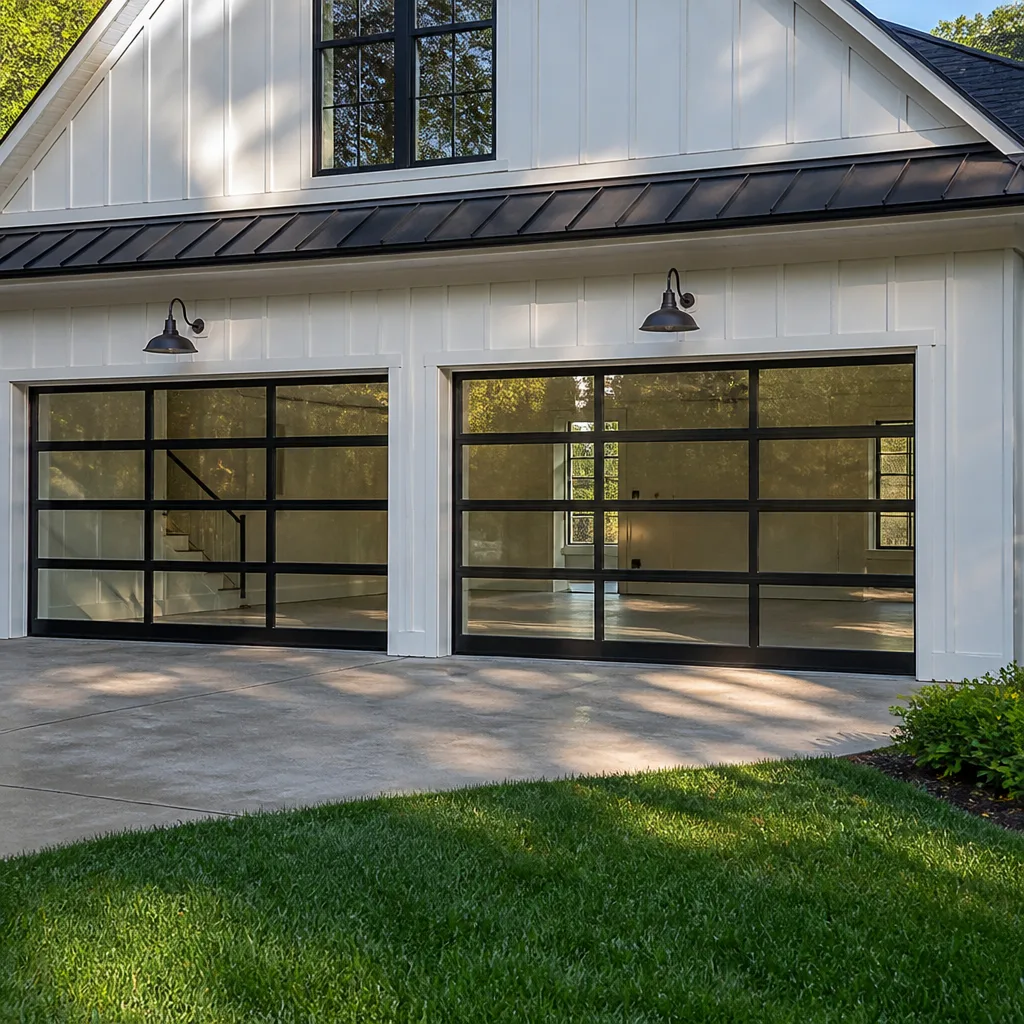 Full-view glass
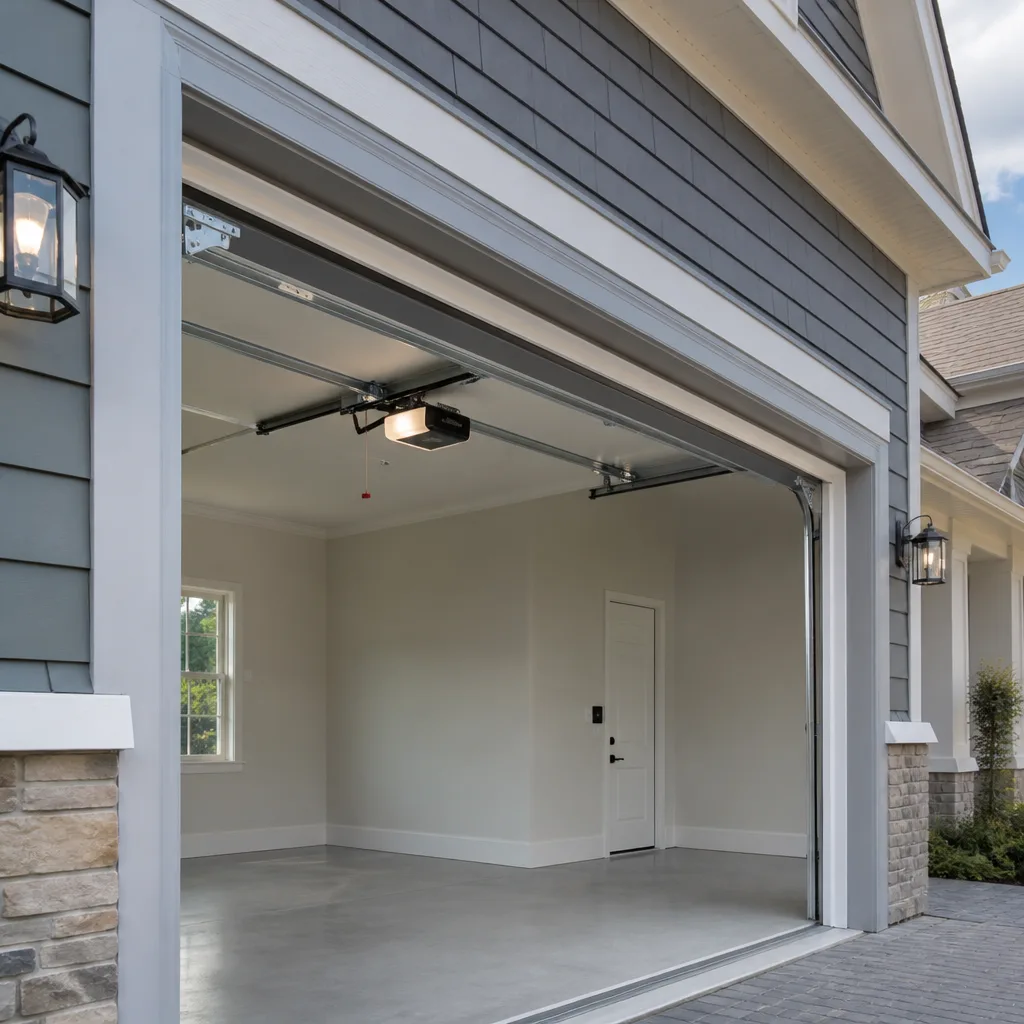 LiftMaster openers
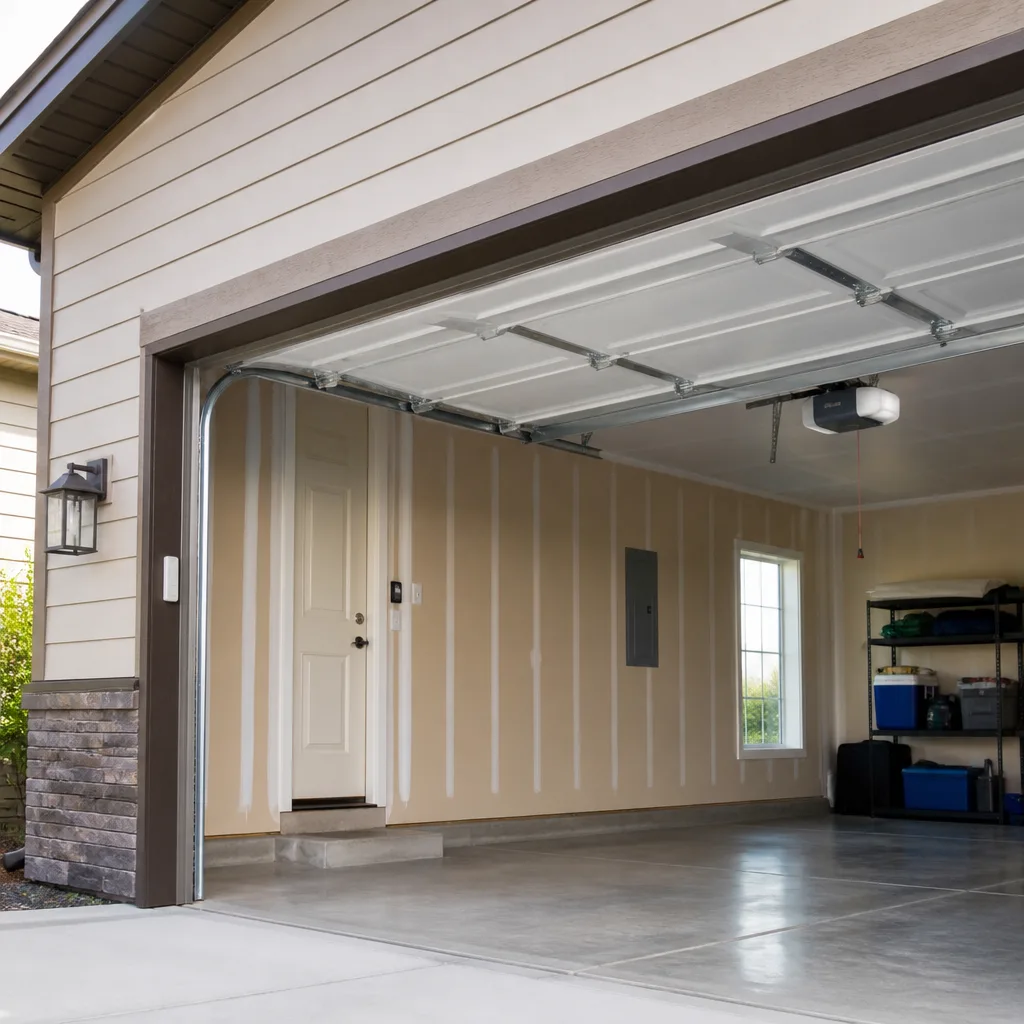 Chamberlain openers
Full 25-point door and opener safety check with every visit - springs, cables, rollers, tracks, and your LiftMaster or Chamberlain opener included
You get a price before we start. It does not change when the truck arrives.
Get your free estimateSeasonal Garage Door Care for Burbank: Year-Round Homeowner’s Guide
Here’s a counterintuitive fact we’ve learned after years of working on garage doors across Burbank: the worst damage rarely comes from heavy rain or freezing temperatures. It comes from a dry, hot, debris-loaded wind event that most homeowners never think about until their door starts dragging mid-October. Santa Ana conditions, with single-digit humidity and gusts that push 40 mph through the Verdugo foothills, will strip lubricant from opener rails and force grit into roller bearings faster than any winter storm. This guide walks through the three climate phases that actually matter for your door in Burbank, what to check during each one, and which maintenance tasks genuinely prevent breakdowns versus which ones just keep hardware store shelves busy. For a deeper dive, see The Complete Garage Door Repair Guide for Burbank Homeowners.
Styles & brands we work with
- Raised-panel steel
- Carriage house
- Modern flush
- Full-view glass
- LiftMaster openers
- Chamberlain openers
Quick Answer
Seasonal garage door maintenance in Burbank should follow three phases rather than four seasons: post-Santa-Ana inspection in late October, UV and seal checks in June, and rain-readiness in early December. The highest-value tasks are re-lubricating all moving parts after every significant Santa Ana event, replacing cracked bottom seals before winter rains arrive, and tightening every bolt on the track system at least twice yearly. A homeowner who follows this three-phase calendar will avoid most of the mid-cycle breakdowns we see from weathering and wind stress.
Table of Contents
- Why Burbank Breaks the Four-Season Template
- Phase 1: Santa Ana Prep (October)
- The Dry-Air Lubrication Problem
- Phase 2: Peak UV Summer Check (June)
- Bottom Seal Materials: What Cracks, What Lasts
- Phase 3: December Rain Seal Inspection
- Post-Storm Debris and Track Inspection Protocol
- Summer Garage Interior Temperature and Insulation
- Common Mistakes to Avoid
- When to Call a Professional
- Frequently Asked Questions
- The Bottom Line
Why Burbank Breaks the Four-Season Template
Most garage door maintenance guides you’ll find online were clearly written for Chicago or New England. They talk about winterizing, about freeze-thaw cycles, about salt corrosion from road spray. None of that applies here. Burbank sits in a Mediterranean climate zone with a twist: the San Fernando Valley side of the Hollywood Hills gets hotter, drier, and windier than almost anywhere else in Los Angeles County. We regularly see summer garage interiors above 110 degrees, winter humidity spikes that swell wood-frame doors, and Santa Ana events that deposit a fine layer of grit and leaf litter into every track, hinge, and roller assembly.
The practical upshot is that a Burbank homeowner needs a maintenance calendar built around three distinct stress periods, not four arbitrary seasons:
- October through November: Santa Ana wind season. Dry gusts, airborne debris, dust infiltration, rapid lubricant evaporation.
- June through September: Peak UV and heat. Sun damage to seals, warping, interior temperature management, spring and cable fatigue from repeated thermal cycling.
- December through March: Mild but damp winter. Rain-driven seal failures, moisture-related hardware corrosion, door swelling that throws off alignment.
April and May are transition months. They’re the best time to catch up on anything missed during wind season and to prep for summer heat. If you do nothing else with this guide, internalize the three-phase structure. It’s the difference between maintaining your door and simply reacting to it.
We’ve also written a deeper breakdown of garage door repair in Burbank if you’re already dealing with a door that’s stopped cooperating mid-phase.
Phase 1: Santa Ana Prep (October)
By early October in Burbank, the daytime highs have usually dropped into the 80s, but the real signal that prep season has started is the first National Weather Service red flag warning. That’s your cue. The Santa Anas blow from the northeast, down through the foothills and across the Burbank flats, carrying dust, pollen, leaf litter, and occasionally ash from wildfires burning inland. Two weeks of steady Santa Ana conditions will do more accumulated damage to your door’s seals, rollers, and opener mechanism than the previous six months combined.
Here’s the prep protocol we recommend for every Burbank homeowner as wind season begins:
- Clear the track paths completely. Use a shop vacuum or compressed air to remove every leaf fragment, twig, and accumulated dust from both vertical and horizontal tracks. Debris in the track is the number one cause of roller misalignment during wind season.
- Inspect the weather stripping around all four sides of the opening. Look specifically for gaps wider than a quarter inch at the bottom corners. Santa Ana wind will find those gaps and exploit them, pulling dust and heat into the garage.
- Tighten every visible bolt and lag screw on the track brackets, hinges, and opener mounting hardware. Wind-driven door vibration loosens fasteners faster than any other force. We see bolts backed out a full three turns after a single strong Santa Ana event.
- Test the auto-reverse sensors and clear any dust from the lenses. Blowing grit often triggers false obstruction readings, leaving the door stuck open.
- Relubricate everything that moves. We’ll get into specific lubricant recommendations below, but the key point here is that dry wind accelerates evaporation, so a fresh coat applied in early October buys you the entire wind season.
A door that’s properly prepped in early October will typically ride out the entire Santa Ana season without a breakdown. Skip the prep and you’re rolling the dice on a cable pop or a stripped opener gear at the exact moment a wind event is headed your way.
The Dry-Air Lubrication Problem
Here’s something most generic maintenance guides won’t tell you because they’re written for wetter climates: in Burbank, during Santa Ana season, the ambient humidity often drops below 10% for days at a time. That low humidity doesn’t just dry out your skin. It evaporates the carrier solvents in garage door lubricants significantly faster than in a place like Houston or Atlanta, where 80% humidity keeps lubricants viscous for weeks longer.
The practical implication is that the standard “lubricate twice a year” advice is insufficient here. In our experience working on doors throughout Burbank, from the hillside homes near Stough Canyon to the flats around Magnolia Park, the lubrication schedule that actually works looks like this:
- October: Full lubrication of all rollers, hinges, springs, and opener rail, using a higher-viscosity product than you’d use in a coastal climate.
- January: A lighter re-application to restore what the dry wind stripped away.
- June: A full re-lubrication before summer heat accelerates evaporation further.
On lubricant selection, we recommend a silicone-based spray with PTFE for hinges and rollers, and a white lithium grease applied sparingly to the torsion spring. Avoid WD-40 in any garage door application. It’s a solvent, not a lubricant, and it will strip the existing lubricant right off your springs, leaving them drier than before you started. For opener rails specifically, a dedicated garage door grease is the right call, especially if your opener is a Chamberlain or Craftsman model. Those rails have tighter tolerances than older Genie or LiftMaster units and will bind up faster when under-lubricated.
If your opener is already showing signs of strain from dry-weather operation, a professional assessment may be worth considering before it fails outright. We cover that in detail on our garage door opener repair in Burbank page.
Phase 2: Peak UV Summer Check (June)
Burbank summers are long, and June is the month when the heat begins to settle in for a multi-month stay. Daytime highs in the 90s are common, and on the hottest days, the south-facing side of a garage door can reach surface temperatures above 140 degrees. That kind of sustained heat exposure does several things at once: it degrades rubber and vinyl compounds, accelerates the fatigue of metal springs and cables, and turns your garage into an oven that radiates heat into any adjacent living space.
The June checklist is shorter than the October protocol, but it catches problems before the worst heat arrives:
- Inspect the bottom seal with a bright flashlight. Run your fingers along the full length. Feel for brittleness, hairline cracks, or sections that have permanently compressed. A bottom seal that’s lost its flexibility will not recover. Replace it before it fails completely.
- Check both torsion springs for rust or deformation. Dry Burbank heat is not directly corrosive, but the repeated expansion and contraction of daily heating and cooling cycles puts stress on the spring coils. Look for gaps between coils that suggest metal fatigue. Do not touch or adjust springs yourself; this check is visual only.
- Test the garage’s interior temperature at 2 p.m. on a hot day. If it’s 20 or more degrees above the outside temperature, your door’s insulation is performing poorly, and you’re paying for it through your HVAC system if your garage is attached.
- Lubricate moving parts again. Heat accelerates lubricant evaporation almost as effectively as dry wind. A June lubrication carries your door through the hottest stretch of the year.
- Listen during a full open-close cycle. Squeaks, pops, or grinding sounds in June are early warnings of failures that will arrive in August or September. Summer is when spring and opener gear failures peak in Burbank.
Bottom Seal Materials: What Cracks, What Lasts
The bottom seal is the workhorse of your garage door. It blocks dust, water, insects, and heat. It also takes more direct punishment than any other component: constant compression against the driveway, daily UV exposure, and the temperature extremes of the Burbank climate. Most homeowners never think about it until water is pooling inside the garage during a December rain.
Not all bottom seal materials handle Burbank conditions equally. Here’s the breakdown based on what we’ve seen across every major door brand, including Amarr, Wayne Dalton, and Raynor doors common in Burbank homes:
| Material | Performance in Burbank Climate | Typical Lifespan |
|---|---|---|
| Standard EPDM rubber | Good UV resistance. Handles heat well but can stiffen over several seasons. The most common material on mid-range doors. | 3-5 years |
| PVC/vinyl | Excellent water resistance but poor UV stability. Turns brittle and cracks in direct Burbank summer sun faster than EPDM. Common on budget doors. | 2-4 years |
| TPE (thermoplastic elastomer) | Best overall for Southern California. Stays flexible in winter, resists cracking in summer, and holds up to repeated compression cycles. Found on higher-end Amarr and Raynor doors. | 5-8 years |
| Felt-reinforced rubber | Decent durability but absorbs water, which is a problem during Burbank’s damp winter mornings. Avoid for ground-contact seals. | 2-3 years |
The takeaway: if your door has a vinyl seal and it’s already showing fine cracks after two Burbank summers, you’re not doing anything wrong. That material simply isn’t built for 90-degree UV exposure. Upgrading to a TPE or high-quality EPDM seal when you replace it is a measurable improvement, not an upsell. A properly sealing bottom edge also keeps cooled air inside the garage during summer, which matters more than most homeowners realize.
If your seal is shot and water has already made its way inside, a replacement is often part of a broader garage door installation or replacement in Burbank, especially for older doors where the seal channel itself has corroded or deformed.
Phase 3: December Rain Seal Inspection
Burbank winters are mild by most standards, which creates a false sense of security. Daytime highs in the 60s, nights in the 40s, occasional rain systems moving through. But the damage mechanism isn’t cold or ice. It’s moisture, and specifically the way moisture interacts with seals, hardware, and wooden door components that have been baked dry by the previous eight months of heat.
By early December, the first significant rain of the season has usually arrived within the last few weeks. That’s the time to do a focused, rain-readiness assessment:
- Run a visual inspection of the bottom seal while the door is closed from inside the garage. Look for daylight visible under the seal, especially at the corners. Even a small gap lets water run in during a steady Burbank rain.
- Check all exterior weather stripping for proper compression. When the door closes, the stripping should compress firmly without folding or pinching. Striping that’s lost its spring will not keep water out of the side gaps.
- Inspect hinges, brackets, and all exposed hardware for surface rust. Burbank’s winter dampness is mild, but it’s persistent. Surface rust on hinges is normal and mostly cosmetic, but rust on spring coils or cable drums is a structural flag that warrants a pro’s eyes.
- Test the opener’s force sensitivity. A door that’s swollen or waterlogged from winter moisture will need more force to lift. If the opener’s auto-reverse triggers more often than it did in October, the door may need a balance adjustment.
- Confirm that water runs away from the garage apron outside. This isn’t door maintenance per se, but a puddle that forms at the base of your door in winter will work water under the seal through capillary action every single time the door operates.
Wooden garage doors, common in some of the older Burbank neighborhoods near the Chandler Bikeway, are especially vulnerable to winter moisture. They do not handle the shrink-and-swell cycle of a dry California summer followed by a damp winter gracefully. A wooden door that’s been properly sealed and painted will survive decades, but one with chipped paint or bare wood will swell, warp, and eventually require major repair work.
Post-Storm Debris and Track Inspection Protocol
After any significant Santa Ana event in Burbank, the ground around your garage door will tell you what the wind deposited. In the foothill neighborhoods, it’s often a mix of sycamore leaves, eucalyptus bark, and dust. In the flatlands near the freeway and Burbank airport, it’s finer particulate and occasional trash blown down from Verdugo Avenue or Glenoaks Boulevard. None of it belongs in your door’s track system.
Here’s the protocol we recommend within 48 hours of any wind event that leaves visible debris on your driveway or walkway:
- Open the door fully and leave it up. This exposes the full length of both vertical tracks and puts the horizontal tracks at eye level for most homeowners.
- Use a bright work light to inspect both tracks from top to bottom. Look for leaf fragments, twigs, soil, or any foreign object that’s become lodged in the track channel. Fine dust alone won’t cause problems if the rollers are clean, but mixed with oil and lubricant residue it creates a grinding paste that accelerates roller wear.
- Clean the tracks with a damp rag, not a pressure washer. A pressure washer strips lubricant and drives water into places it shouldn’t go. A simple wipe-down is sufficient for dust and light debris.
- Run the door through three complete open-close cycles. Listen for any change in sound, any hesitation, any uneven movement. If the door shudders or catches, something is in the track or a roller has been knocked out of alignment.
- Check the opener’s travel limits. Strong wind gusts can push a door slightly off its normal travel path, enough to trigger a limit-switch error. If the door doesn’t stop in exactly the same position as before the storm, a quick limit adjustment is usually all that’s needed.
The most common post-storm failure we see in Burbank is a bent vertical track, caused when a door catches a strong gust while partially open and the track takes the side load. A bent track will not self-correct. Continuing to operate a door on a bent track will snap rollers or pull the door off its hinges. If you see a visible bend, stop operating the door and call someone who works on tracks every week.
Summer Garage Interior Temperature and Insulation
If your home has an attached garage, which is the standard in Burbank’s postwar construction, your garage door is effectively a wall of your house. The difference is that it’s a wall with zero required insulation in most older homes. That’s a problem when Burbank summer temps push the interior of an uninsulated garage to 110 degrees or higher, especially in homes with west-facing garage doors that take direct afternoon sun.
Door insulation R-value matters for two reasons, and the first one is obvious: heat transfer. An insulated door with an R-value of 12 to 14 will keep the garage interior noticeably cooler, reducing the load on your home’s HVAC system if you have ducting or equipment in the attached garage space. The second reason is less obvious but equally important: door stiffness. Insulated steel doors are structurally stiffer than non-insulated ones, which means they resist wind deflection during Santa Ana season and are less prone to bending or deforming over time.
The most common doors on Burbank homes, from Raynor and Wayne Dalton to Clopay and Amarr, are available in both insulated and non-insulated configurations. If your door is original to a house built before the early 1990s, it’s probably non-insulated steel or hollow-core wood. The temperature difference inside the garage on a 95-degree day between those and a properly insulated door is consistently 15 to 20 degrees.
For homeowners who aren’t ready to replace a functional door, the interim fix is vinyl-back insulation panels fitted to the inside face of the door. They won’t match the efficiency of a factory-insulated door, but they’ll cut heat gain in the garage by roughly half and take most homeowners an afternoon to install. It’s not a permanent solution, but it’s honest upgrade work for a garage that’s only used for parking and storage. If your garage is a workshop or home gym, factor that heat load into any decision about true door replacement.
Common Mistakes to Avoid
- Lubricating only once a year and calling it done. In Burbank’s dry Santa Ana conditions, lubricant evaporates fast enough that once-yearly scheduling leaves your door running dry for months at a time. Twice yearly is the minimum; three times is better for doors that see daily use.
- Ignoring a fraying cable. The cable on the side of the door shows visible fraying for weeks before it snaps. We hear from homeowners constantly who noticed the fray and waited. When the cable pops, the door falls hard and usually takes out a track section with it.
- Using WD-40 on springs and hinges. This is the most common DIY error we see. WD-40 strips the existing lubricant and leaves metal surfaces with only a thin solvent residue that evaporates within days. You’ve made the problem worse.
- Replacing only one spring when one breaks. Torsion springs are matched to the door’s weight. Replacing a single spring means the new spring is doing all the work of lifting and braking, while the older spring is just along for the ride. Both springs should be replaced at the same time.
- Painting over weather stripping. It’s tempting to caulk and paint everything in sight during a Burbank exterior touch-up project. But paint bonds weather stripping to the door jamb and makes it rigid, which eliminates its sealing function entirely.
- Adjusting the opener’s force settings to “fix” a door that’s binding. If a door is rubbing, catching, or out of balance, cranking up the opener force to power through it will eventually strip the opener’s drive gear. A balanced door needs very little force to move.
- Running the door through a full cycle after noticing a new noise. A squeal, a pop, or a grinding sound is the door telling you something. Running it again to “see if it happens again” often converts a minor repair into a major one. Stop the door and investigate.
When to Call a Professional
Some garage door tasks are genuinely DIY-appropriate. Cleaning tracks, tightening visible bolts, testing sensors, and fogging a little lubricant onto hinges all fall into that category. Other tasks create real risk of injury or property damage if they’re attempted without the right tools and experience. Torsion springs are under constant, significant tension and require specific winding bars and technique to service safely. Cables run through them and can snap unpredictably. Track replacement involves precise alignment that affects the entire balance of the door. If the job involves springs, cables, track replacement, or a door that’s come off its hinges, call a professional.
Anchor Garage Door Repair offers free estimates in Burbank. Call (833) 589-9142 and we’ll assess the door, explain what needs doing, and quote a price before any work starts.
Frequently Asked Questions
Three times a year is the right cadence for Burbank’s dry climate: once in early October before Santa Ana season, once in January to recover from wind-driven evaporation, and once in June before peak summer heat. Use a silicone-based spray with PTFE for hinges and rollers, and white lithium grease on torsion springs.
The most common seasonal failure we see is a bottom seal that’s cracked in summer heat and then fails completely during the first December rain, letting water into the garage. Santa Ana-driven track debris follows close behind. Both are preventable with the maintenance calendar in this guide.
In most cases, yes. The seal slides into a channel on the bottom of the door, and replacement is a straightforward job for a homeowner with basic tools and patience. The key is buying a seal that matches your door’s channel profile and choosing a material rated for high-UV climates. TPE performs best in Burbank conditions.
Dry wind conditions strip lubricant and force dust and fine grit into hinges, rollers, and the opener rail. The noise you’re hearing is metal-on-metal contact plus grit grinding in the contact points. A thorough cleaning and re-lubrication will usually quiet it down within a day. If the noise persists, a roller or hinge may have taken damage and should be inspected.
For an attached garage, yes. Insulation panels fitted to the interior of an uninsulated steel door can cut heat transfer into the garage by roughly half, which matters on Burbank’s 90-plus-degree summer days. If you’re replacing the door anyway, a factory-insulated door with an R-value of 12 or higher is the better long-term play and adds structural stiffness that helps during wind season.
You know it’s time to look closely when the door is heavy to lift manually, won’t stay up halfway, or the opener is struggling to lift it smoothly. Visual signs on torsion springs include gaps between coils, rust bloom, or a visible break. Never attempt to adjust or replace springs yourself. This is work for a trained professional, and the repair is routinely done in under an hour by an experienced tech. Call (833) 589-9142 for an exact quote, estimates are free.
The Bottom Line
Burbank’s garage door maintenance needs are specific, and they don’t fit a generic four-season template. The three phases that matter here are Santa Ana prep in October, UV and seal checks in June, and rain-readiness in December. Between those three touchpoints, a homeowner who keeps tracks clean, re-lubricates on a three-times-yearly schedule, and replaces bottom seals before they fail outright will avoid nearly all of the seasonal breakdowns we respond to across Burbank year after year. The hands-on work is mostly simple. The hard part is doing it on a schedule, before the wind event or heat wave makes the failure obvious. If your door needs more than routine attention, call (833) 589-9142 for a free estimate from someone who knows Burbank’s climate and every major door brand it throws at us.
Written by the team at Anchor Garage Door Repair, serving Burbank since 2011.
See the difference
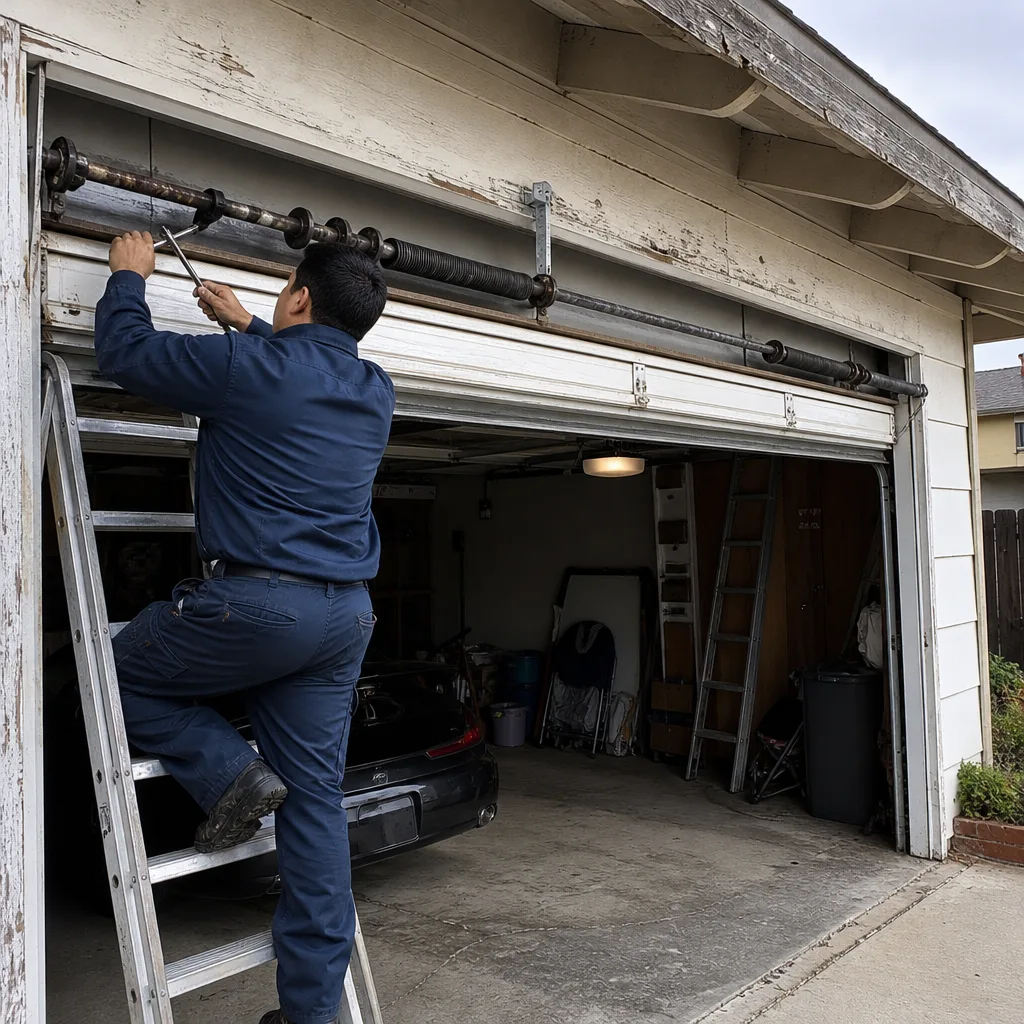 Before
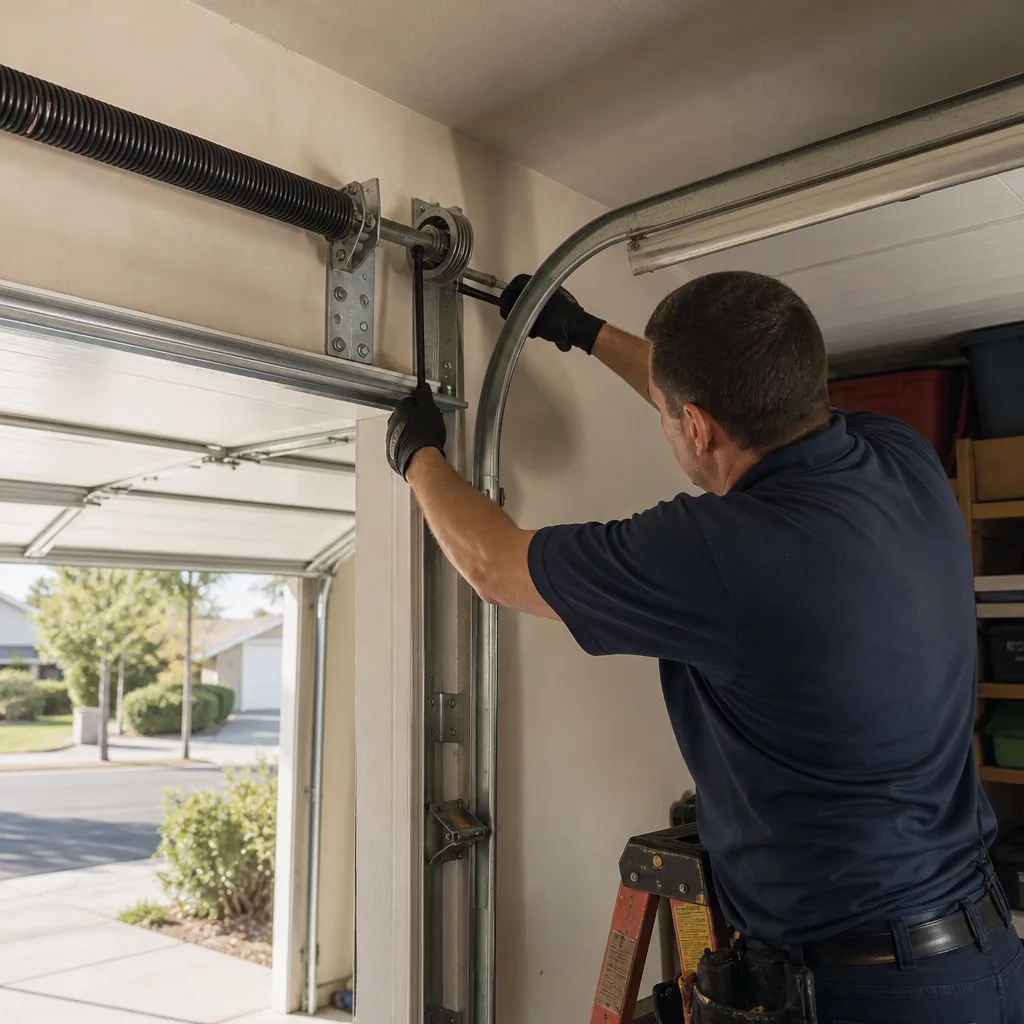 After
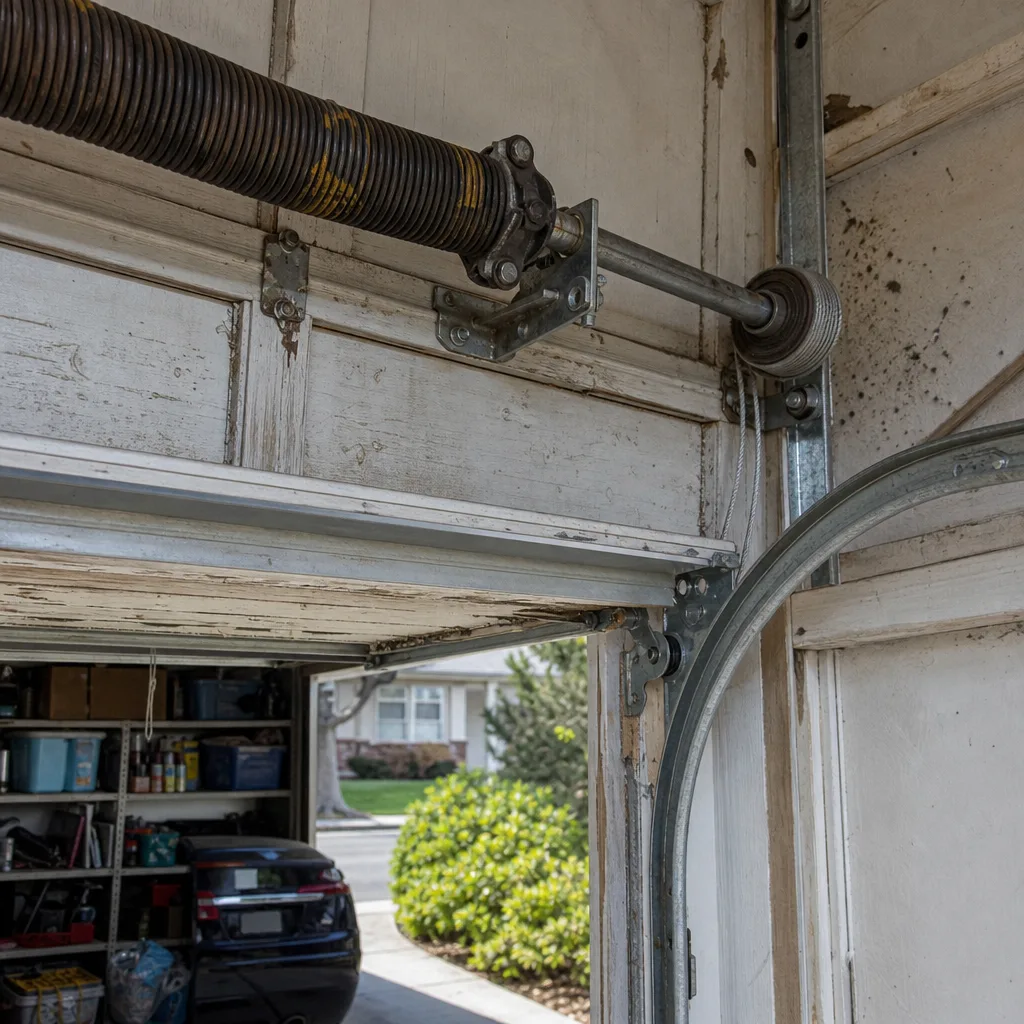 Before
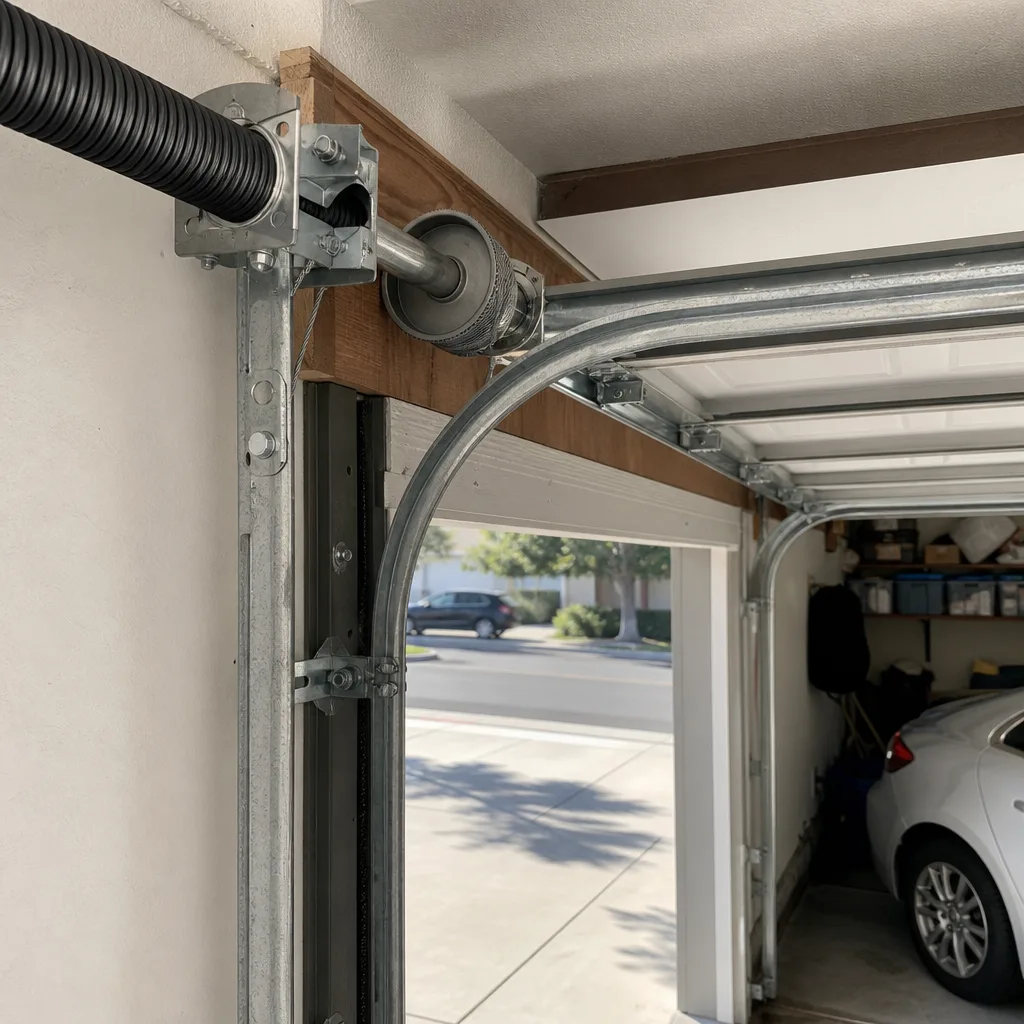 After
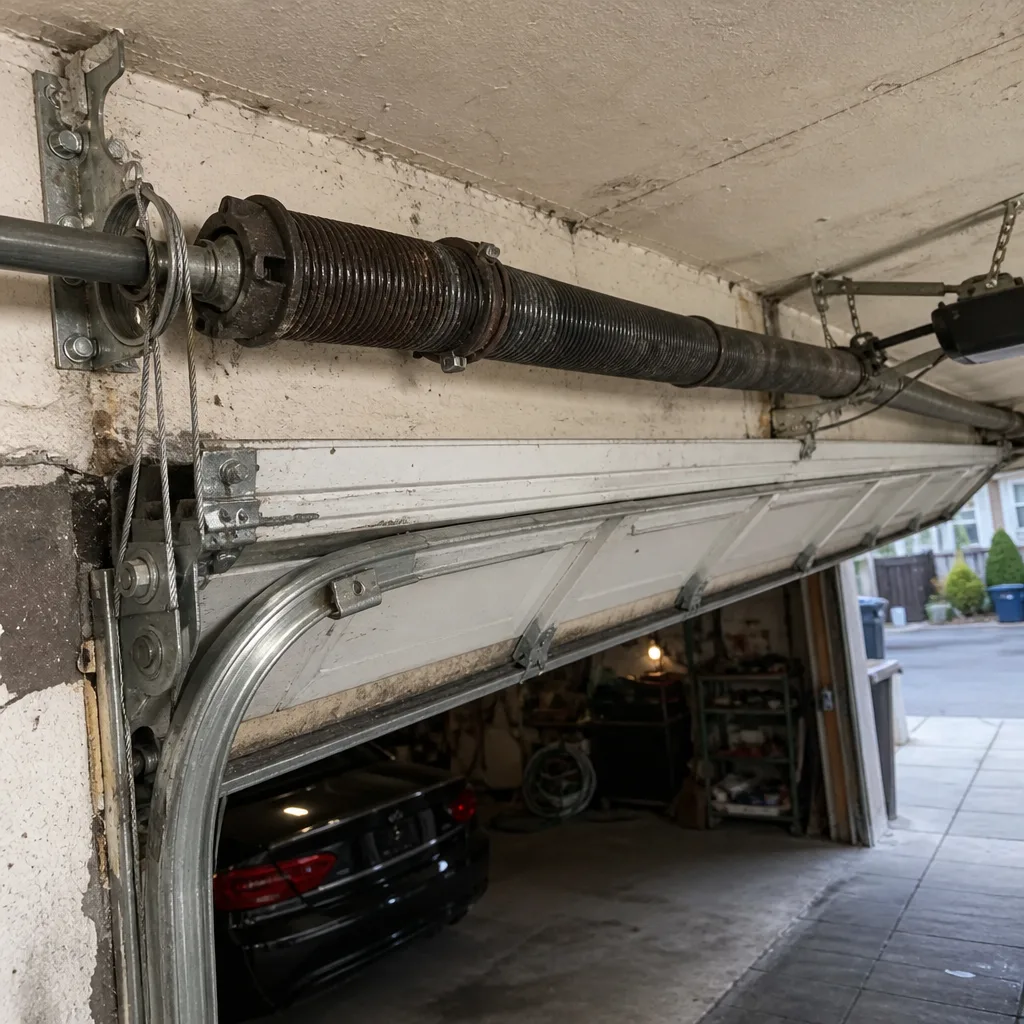 Before
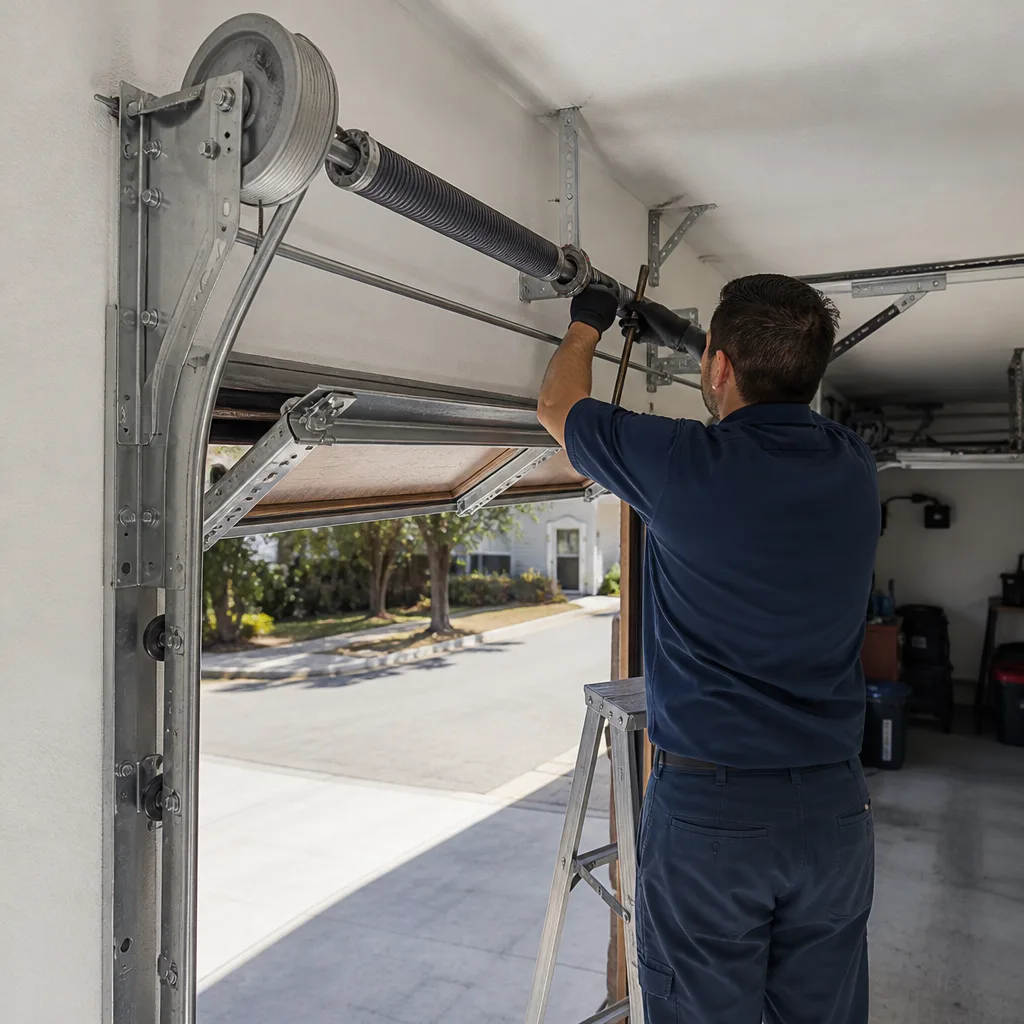 After